Building Defect Remediation Melbourne
Defects that don't fix themselves — and what to do about them
1 September 2024 8 min read
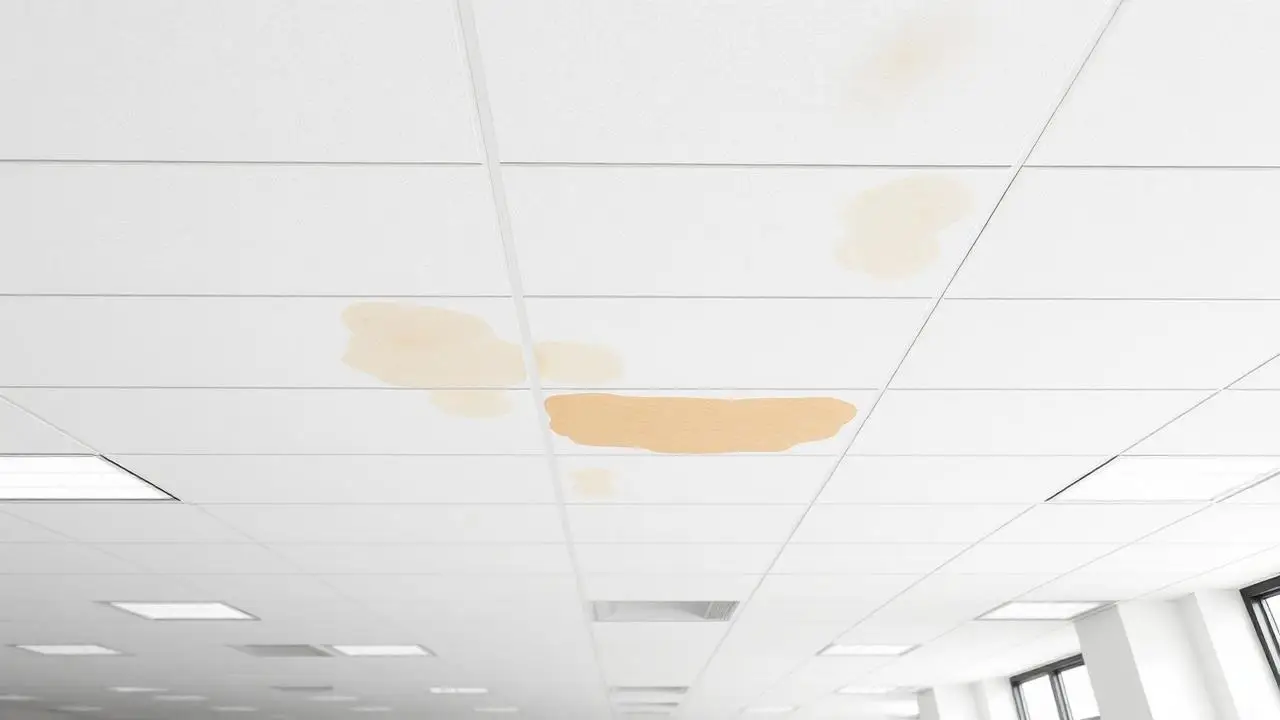
Defects that don't fix themselves — and what to do about them
Building defects in commercial properties can range from minor cosmetic issues to serious structural problems affecting safety, tenant satisfaction, and property value. Whether discovered during routine inspections, tenant complaints, or pre-sale building reports, defects require prompt professional remediation to prevent escalation and protect your investment. This comprehensive guide explores common commercial building defects, remediation approaches, and why professional expertise matters.
Not every imperfection constitutes a building defect. Understanding the distinction is crucial:
Building Defects are faults or deficiencies arising from: - Poor design or specification - Substandard construction work - Use of inappropriate or defective materials - Failure to comply with building codes - Inadequate maintenance leading to deterioration
Normal Wear and Tear includes: - Gradual deterioration from regular use - Minor cosmetic damage - Expected aging of materials within their service life
Defects typically worsen over time and may compromise building function, safety, or structural integrity. Normal wear and tear is predictable and manageable through routine maintenance.
Water penetration is among the most common and damaging defects:
Causes: - Failed waterproofing membranes - Defective seals around windows and doors - Inadequate flashing at junctions - Cracked or missing grout and sealants - Poor drainage design - Rising damp from inadequate damp-proof courses
Consequences: - Internal water damage and staining - Mold growth and health hazards - Structural deterioration including concrete cancer - Damage to finishes, fixtures, and tenant property - Electrical system risks
Issues affecting building integrity and load-bearing capacity:
Examples: - Cracking in load-bearing walls or columns - Slab settlement and movement - Inadequate structural support - Foundation problems - Concrete spalling and deterioration - Steel corrosion in reinforced elements
Risks: - Building safety hazards - Progressive deterioration - Potential structural failure - Significant remediation costs if delayed
External envelope defects affecting weather protection and appearance:
Common Problems: - Cladding delamination or detachment - Failed sealant joints - Cracked or damaged render - Deteriorating brickwork pointing - Panel misalignment or damage - Inadequate ventilation causing moisture accumulation
Impacts: - Water ingress - Reduced energy efficiency - Safety hazards from falling materials - Poor building aesthetics affecting marketability
Critical issues affecting occupant safety:
Defect Types: - Non-compliant fire doors or seals - Inadequate fire-rated barriers - Compromised fire compartmentation - Blocked or inadequate fire exits - Non-functional fire detection or suppression systems - Combustible cladding materials
Consequences: - Legal liability and regulatory action - Insurance issues - Tenant safety risks - Mandatory rectification orders
Problems with mechanical, electrical, and plumbing systems:
Issues Include: - Faulty HVAC installations or performance - Electrical system deficiencies - Plumbing leaks or drainage failures - Inadequate ventilation - Non-compliant installations
Effects: - Operational disruption - Increased energy costs - Health and safety concerns - Tenant dissatisfaction
Roof problems causing water penetration and structural issues:
Common Defects: - Failed waterproofing membranes - Inadequate drainage causing ponding - Damaged or missing flashings - Deteriorated roof penetration seals - Structural movement causing cracking - Storm damage and wear
Results: - Internal water damage - Ceiling and insulation deterioration - Increased maintenance costs - Accelerated roof system failure
Professional remediation follows a systematic approach ensuring effective, lasting solutions:
Thorough assessment is crucial for appropriate remediation:
Investigation Methods: - Detailed visual inspections by qualified building consultants - Moisture mapping and thermal imaging - Structural engineering assessments - Materials testing and analysis - Review of original building specifications and approvals - Comparison with current building code requirements
Documentation: - Photographic evidence of all defects - Detailed defect descriptions and locations - Assessment of defect severity and urgency - Identification of root causes - Preliminary remediation recommendations
Based on investigation findings, specialists develop comprehensive remediation strategies:
Planning Elements: - Prioritisation of defects by severity and risk - Selection of appropriate remediation methods - Materials specification ensuring compliance and durability - Work sequencing minimising building disruption - Budget estimation and cost-benefit analysis - Timeframe development - Identification of temporary measures if immediate remediation isn't feasible
Regulatory Compliance: - Building permit requirements assessment - Compliance with current building codes - Coordination with building certifiers - Occupational health and safety planning
Professional contractors execute remediation work:
Execution Standards: - Work performed by licensed, qualified tradespeople - Use of specified materials and methods - Quality control throughout the process - Minimal disruption to building operations - Protection of occupied areas - Regular progress reporting - Site safety management
Common Remediation Techniques:
For Water Ingress: - Complete waterproofing membrane replacement - Improved drainage systems - Seal and flashing installation or replacement - Tanking and damp-proof course installation
For Structural Issues: - Concrete crack repair and injection - Steel reinforcement treatment and protection - Structural strengthening and support installation - Foundation underpinning - Load redistribution systems
For Facade Defects: - Cladding repair or replacement - Render repair and refinishing - Comprehensive resealing programmes - Panel realignment or replacement
Post-remediation validation ensures work effectiveness:
Verification Methods: - Visual inspection of completed work - Performance testing (e.g., flood testing for waterproofing) - Independent building inspector review - Compliance certification - Comparison against original remediation specifications
Comprehensive project documentation protects your investment:
Required Documentation: - Detailed records of all work performed - Before and after photographic evidence - Materials certificates and compliance documentation - Test results and certifications - As-built drawings if structural changes made - Warranties for materials and workmanship - Maintenance recommendations
Remediation in operational buildings requires careful management:
Initial defects may reveal additional problems:
Some defects occur in challenging locations:
Remediation may trigger compliance requirements:
While remediation addresses existing defects, prevention strategies reduce future issues:
Regular maintenance identifies and addresses minor issues before they become major defects:
Professional assessments provide early warning of developing problems:
New work quality prevents future defects:
For commercial tenants, understanding defect responsibilities is crucial:
Landlord Responsibilities typically include: - Structural defects - Building envelope issues - Common area defects - Building services infrastructure
Tenant Responsibilities may include: - Damage caused by tenant activities - Defects in tenant-installed improvements - Maintenance failures in tenant-controlled areas
Lease Agreement Clarity: - Pre-lease condition reports documenting existing defects - Clear definition of maintenance and repair obligations - Procedures for reporting and addressing defects - Make-good requirements at lease end
Don't delay professional assessment if you notice:
Early intervention prevents minor defects from becoming major structural problems, saves significant costs, and protects property values and tenant relationships.
Building defect remediation is a specialised field requiring expert assessment, proper planning, and professional execution. Whether addressing water ingress, structural issues, facade problems, or building services defects, qualified remediation specialists provide comprehensive solutions that protect your property investment and ensure safe, functional commercial spaces.
If you've identified building defects in your commercial property or want proactive assessment to prevent future problems, don't delay professional consultation. Our experienced team provides comprehensive defect investigation, remediation design, and expert implementation tailored to your property's specific needs. Contact us today for a thorough building assessment and remediation solutions that deliver lasting results.
We do makegoods all day, every day.
Let's talk scope.
Share the details and we'll come back to you with how we can help.
Ask us anything
👋 Hi! How can I help you today?
Ask about our make-good services, areas we cover, or how we can help with your commercial property.