Commercial remediation guide for Melbourne
When building defects go beyond routine maintenance.
Structural damage, water ingress, failed waterproofing, non-compliant cladding—these aren't maintenance issues. They're remediation projects.
This guide covers the types of remediation common in Melbourne commercial buildings, how projects are typically delivered, and what property managers, building owners and facilities teams need to know before work begins.
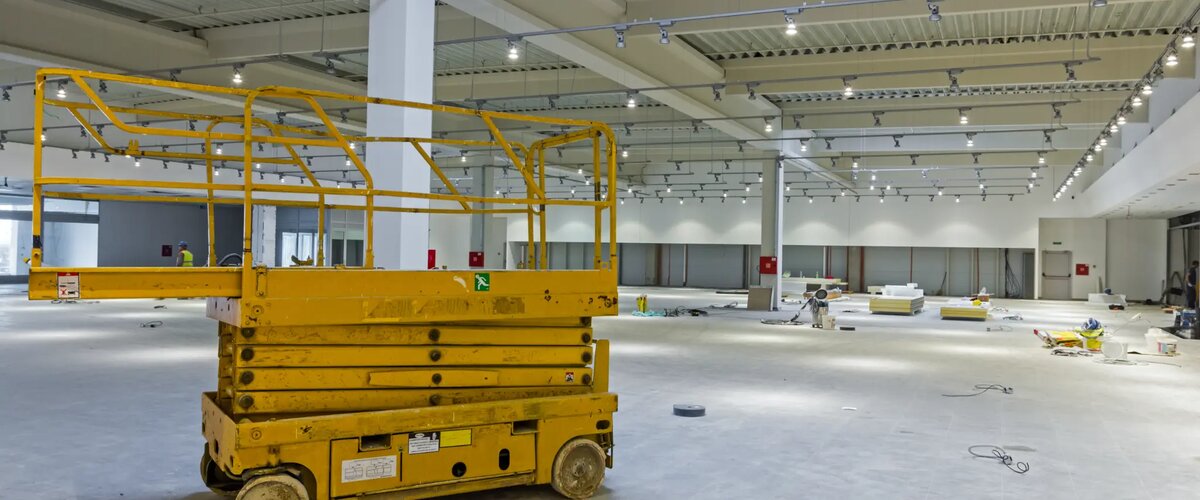
What is commercial remediation
Remediation is repair work that goes beyond routine maintenance. It addresses structural defects, water ingress, fire damage, mould contamination or compliance failures that affect a building's integrity, safety or performance. Unlike planned maintenance or cosmetic upgrades, remediation is reactive—triggered by damage, failure or non-compliance that needs to be fixed.
Unlike make good works, which restore a tenancy to its original condition at lease end, remediation fixes the underlying problem. It involves identifying the root cause, making the site safe and then repairing or replacing affected building elements. Common triggers include ceiling leaks, cracked concrete, failed waterproofing, smoke damage and cladding defects.
Many projects involve both: remediation to fix the defect, followed by make good to restore finishes and hand back the space. For example, a burst pipe might require remediation to repair the plumbing and dry out water damaged walls, then make good works to repaint, replace ceiling tiles and reinstate the tenancy.
Types of remediation
The most common remediation projects in Melbourne commercial buildings.
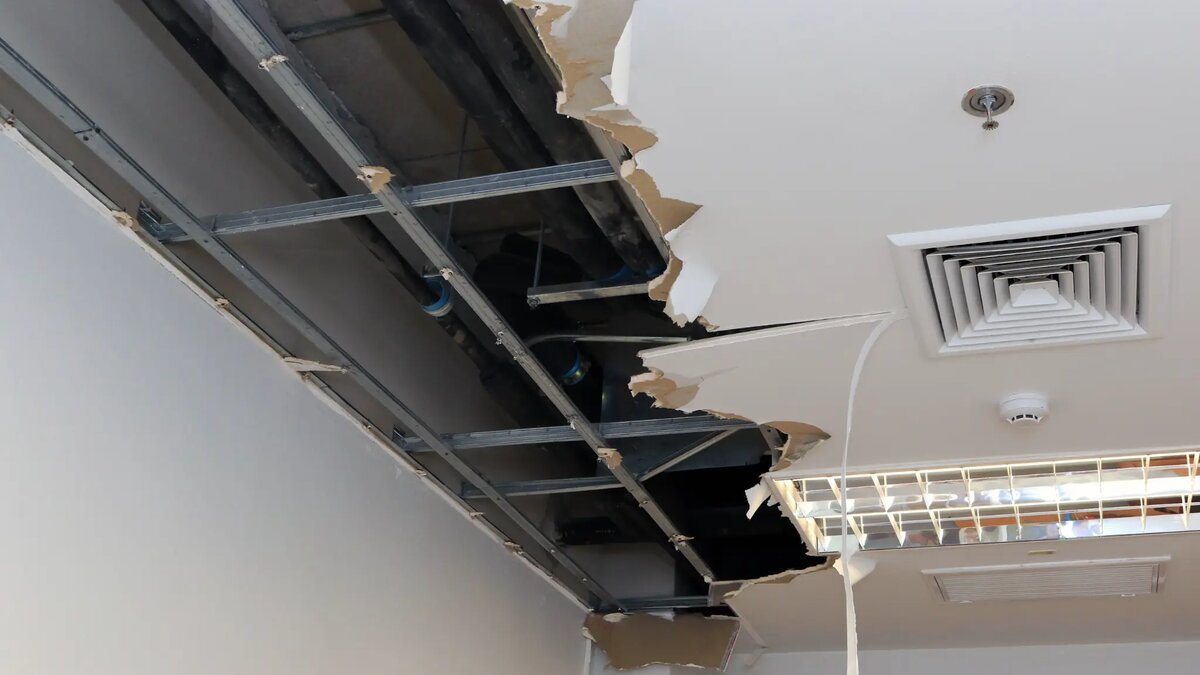
Water damage and mould remediation
Leaks, burst pipes and failed waterproofing can cause ceiling damage, wall saturation and mould growth. Quick response within 48 hours reduces secondary damage and reinstatement costs.
Learn more →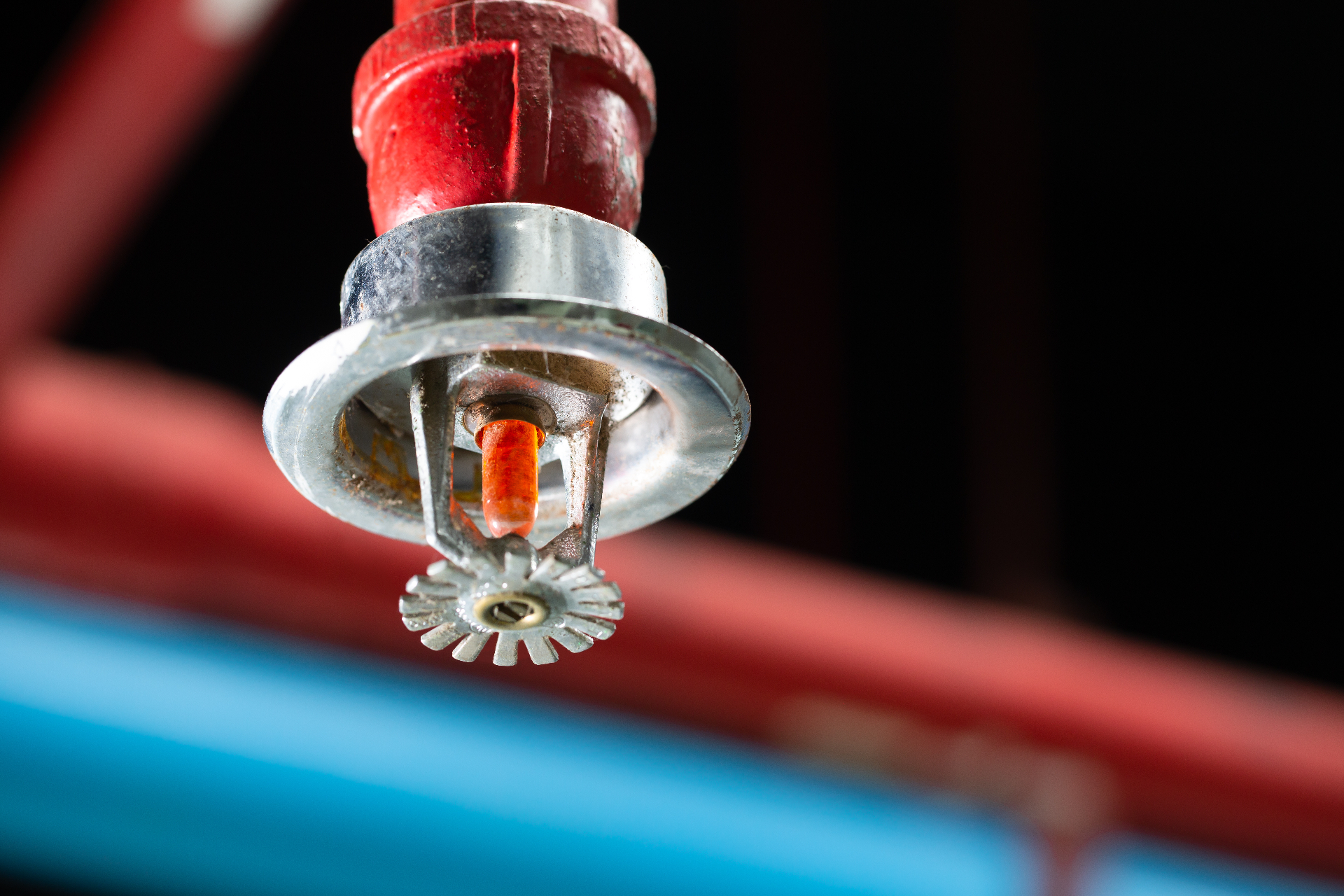
Fire and smoke damage restoration
Fire and smoke affect structural elements, electrical systems and air quality. Restoration includes make safe works, cleaning, odour removal and rebuilding damaged areas.
Learn more →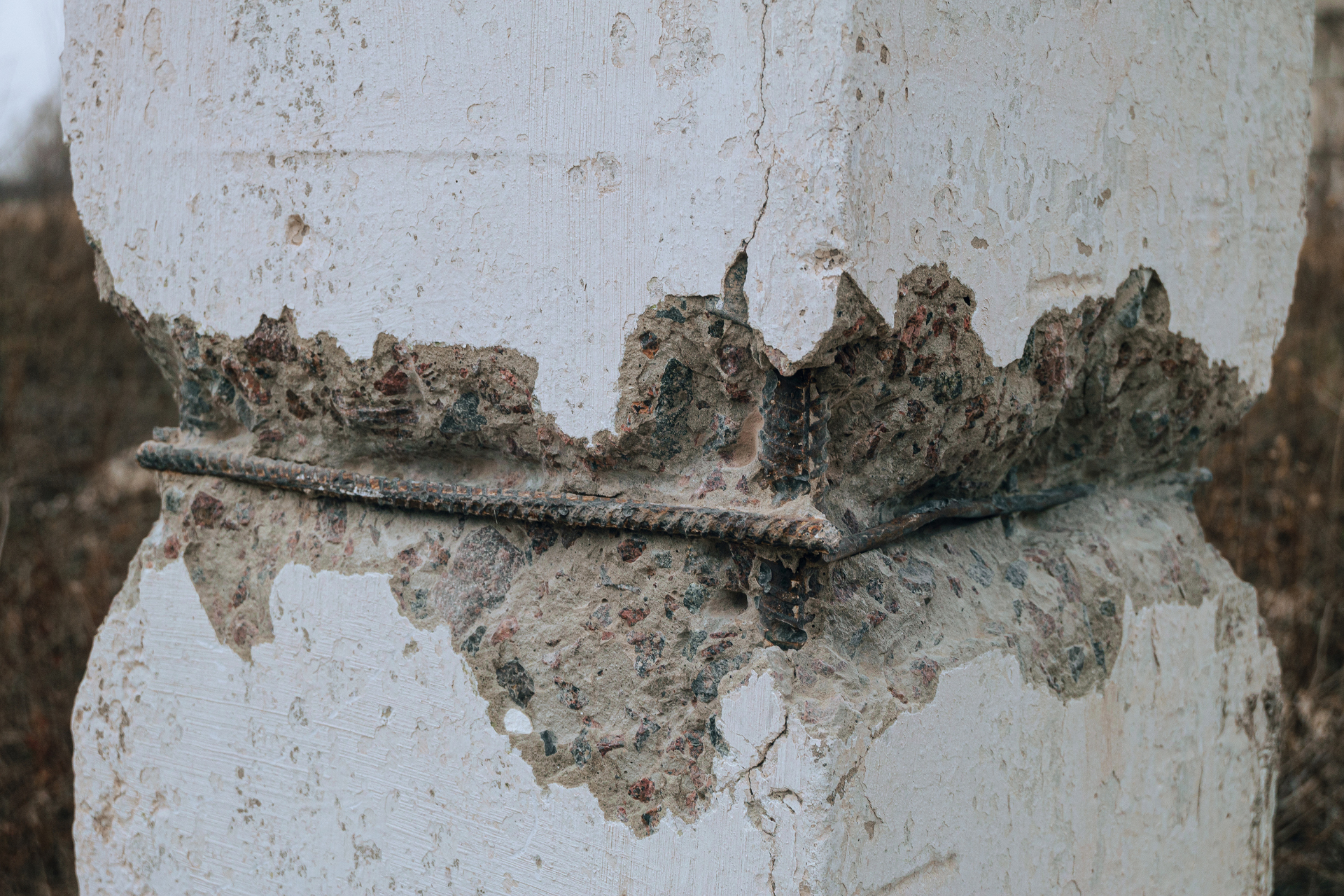
Structural remediation and concrete spalling
Concrete cancer, spalling and structural cracks compromise building integrity. Remediation involves removing damaged concrete, treating reinforcement and rebuilding to engineering specifications.
Learn more →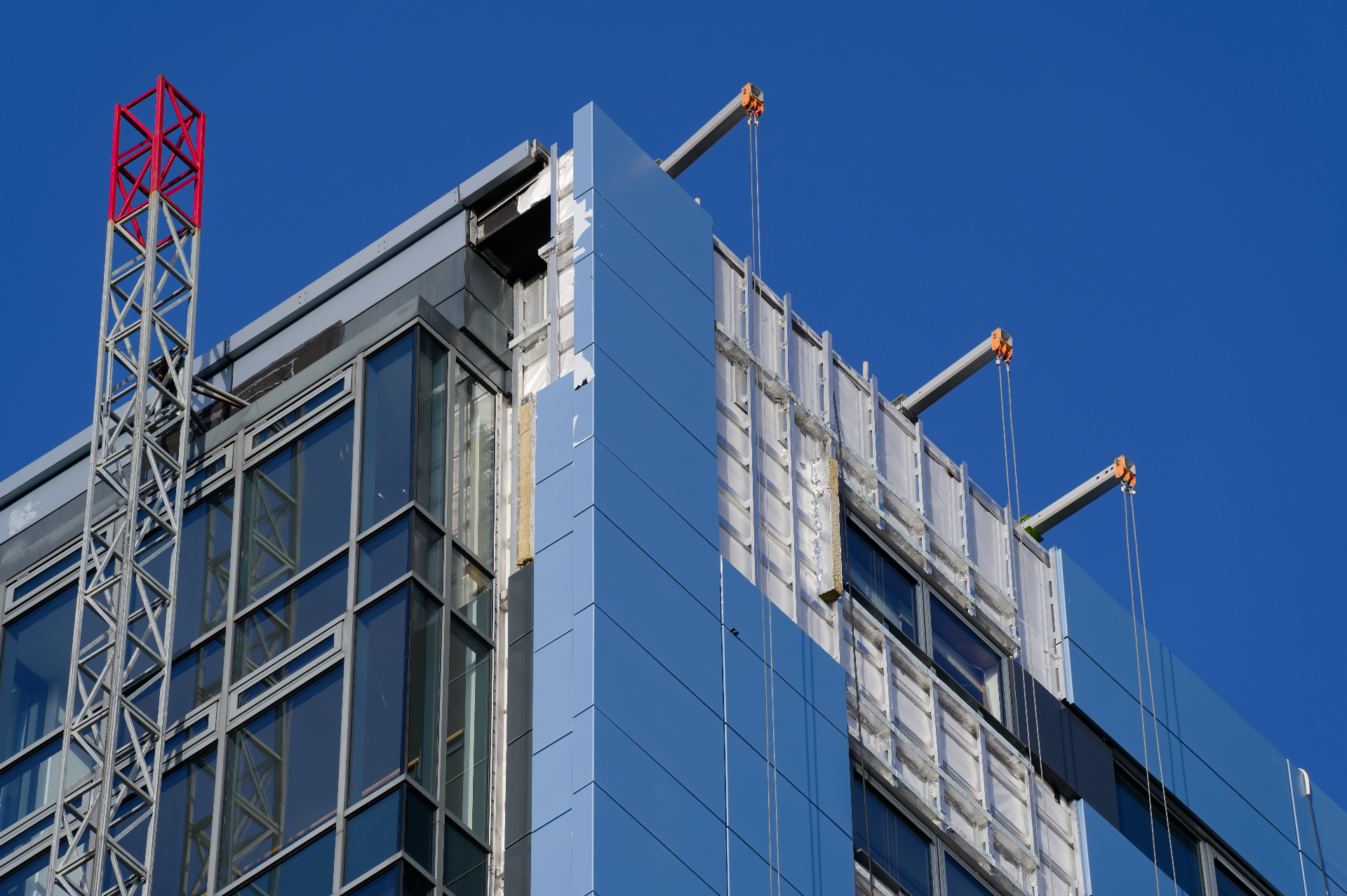
Facade and cladding defect remediation
Non-compliant cladding, failed seals and water ingress through facades require removal, compliance upgrades and weatherproofing. Often involves building surveyor approval and staged works.
Learn more →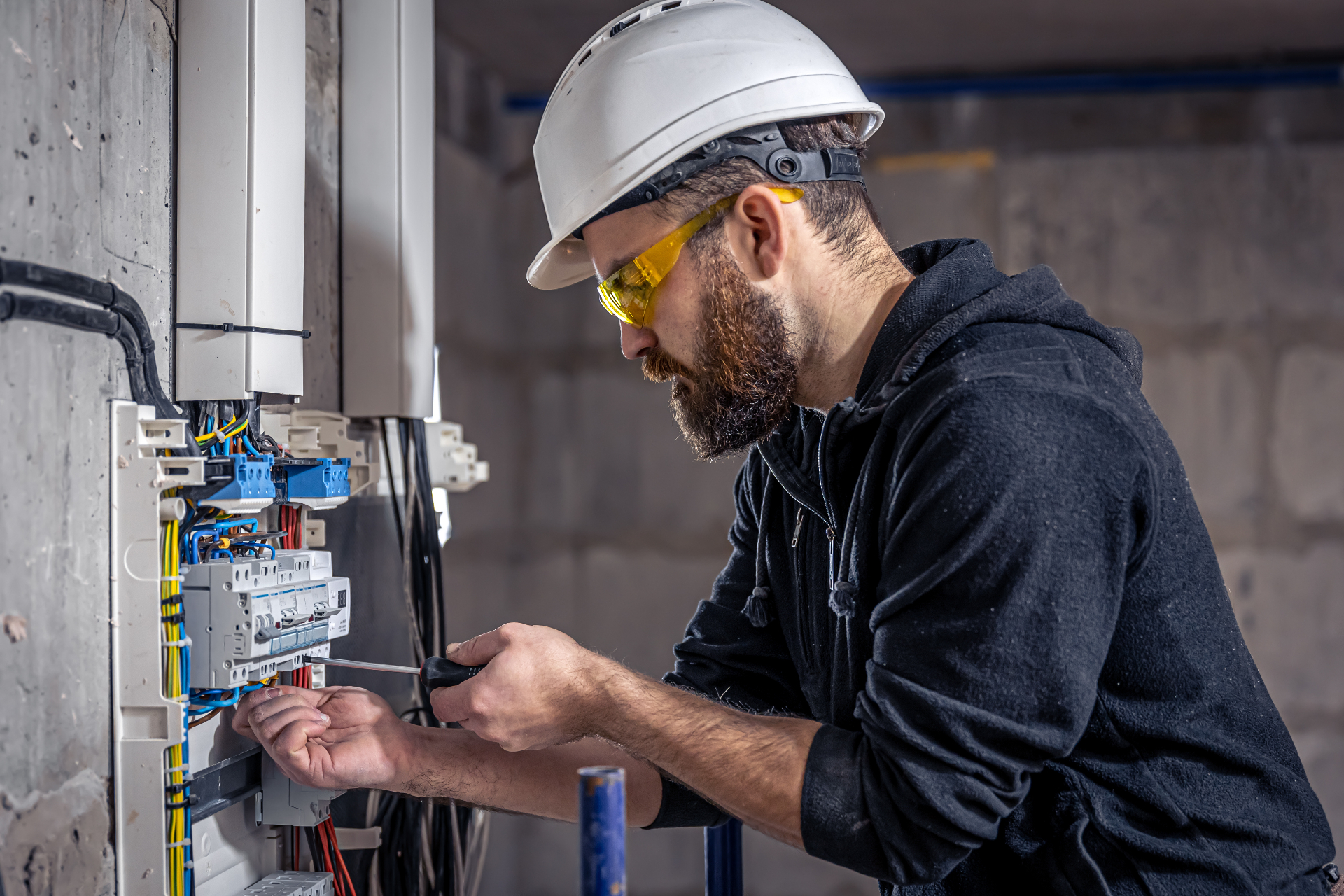
Make safe and emergency works
Urgent response to electrical hazards, structural instability and safety risks. Make safe works isolate danger, secure the site and allow assessment before full remediation begins.
Learn more →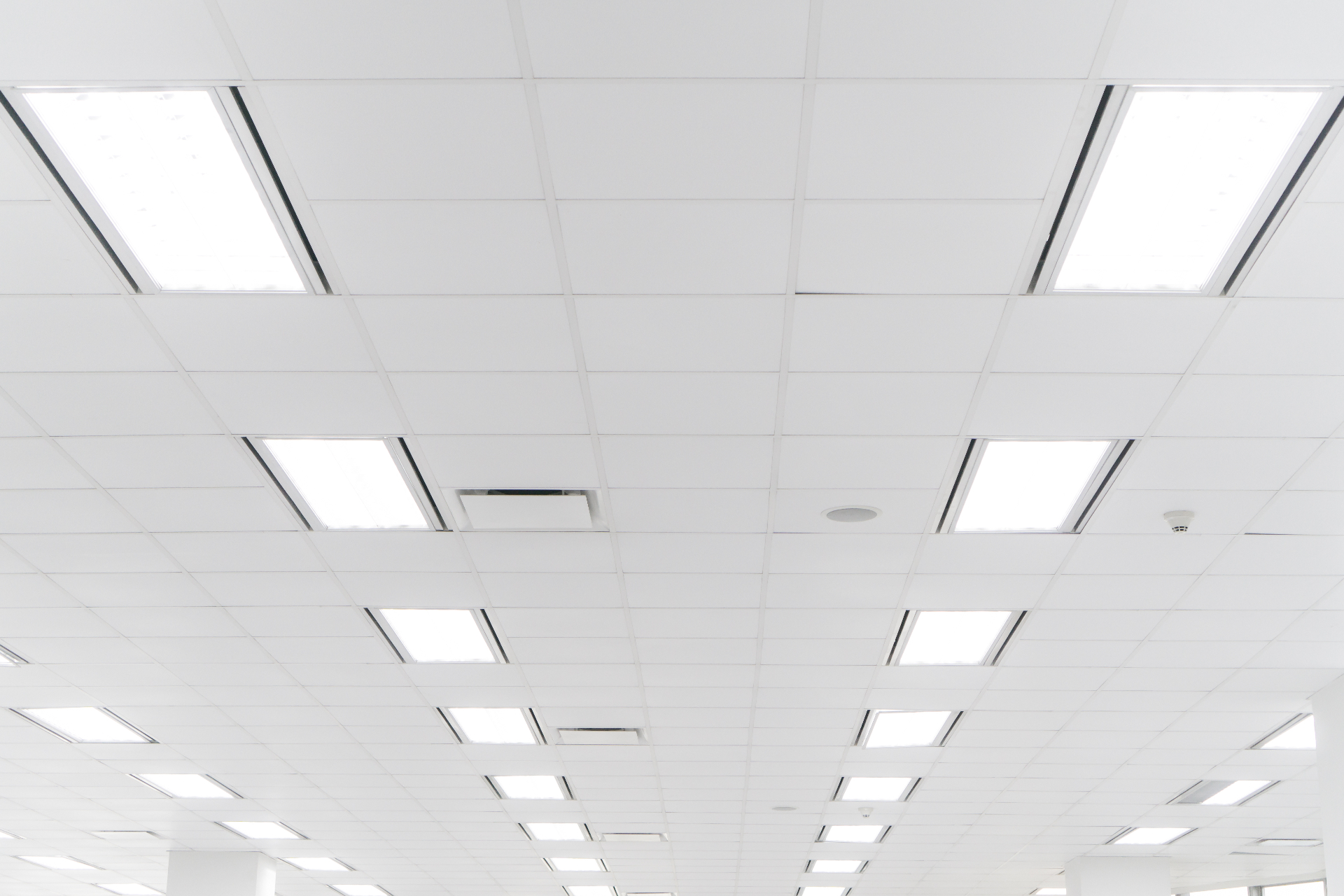
Leak related ceiling failures
Roof leaks, HVAC condensate and plumbing failures cause ceiling grid collapse, tile staining and insulation saturation. Remediation includes source repair, drying and ceiling replacement.
Learn more →The commercial remediation process
Every project is different, but most follow the same sequence—from assessment through to handover.
- 1
Assess and Make Safe
Identify the damage, isolate hazards, secure the site. Electrical isolation, structural propping, containment barriers—whatever's needed to make it safe to work.
- 2
Contain and Isolate
Set up barriers, negative air pressure, or access restrictions to stop contamination spreading. Keeps occupied areas operational while work proceeds.
- 3
Drying and Moisture Control
For water damage: drying equipment and moisture monitoring to prevent mould and material breakdown.
- 4
Salvage vs Strip Out
Decide what can be cleaned or repaired and what needs replacing. Contamination level, cost, and time all factor in.
- 5
Reinstatement and Handover
Rebuild or restore affected areas. Complete compliance testing. Provide documentation—warranties, test certificates, sign-off.
Got a project coming up?
We do makegoods all day, every day.
Let's talk scope.
Share the details and we'll come back to you with how we can help.