Electrical Make Safe Melbourne
The step that has to happen before anything else
1 August 2025 12 min read
The step that has to happen before anything else
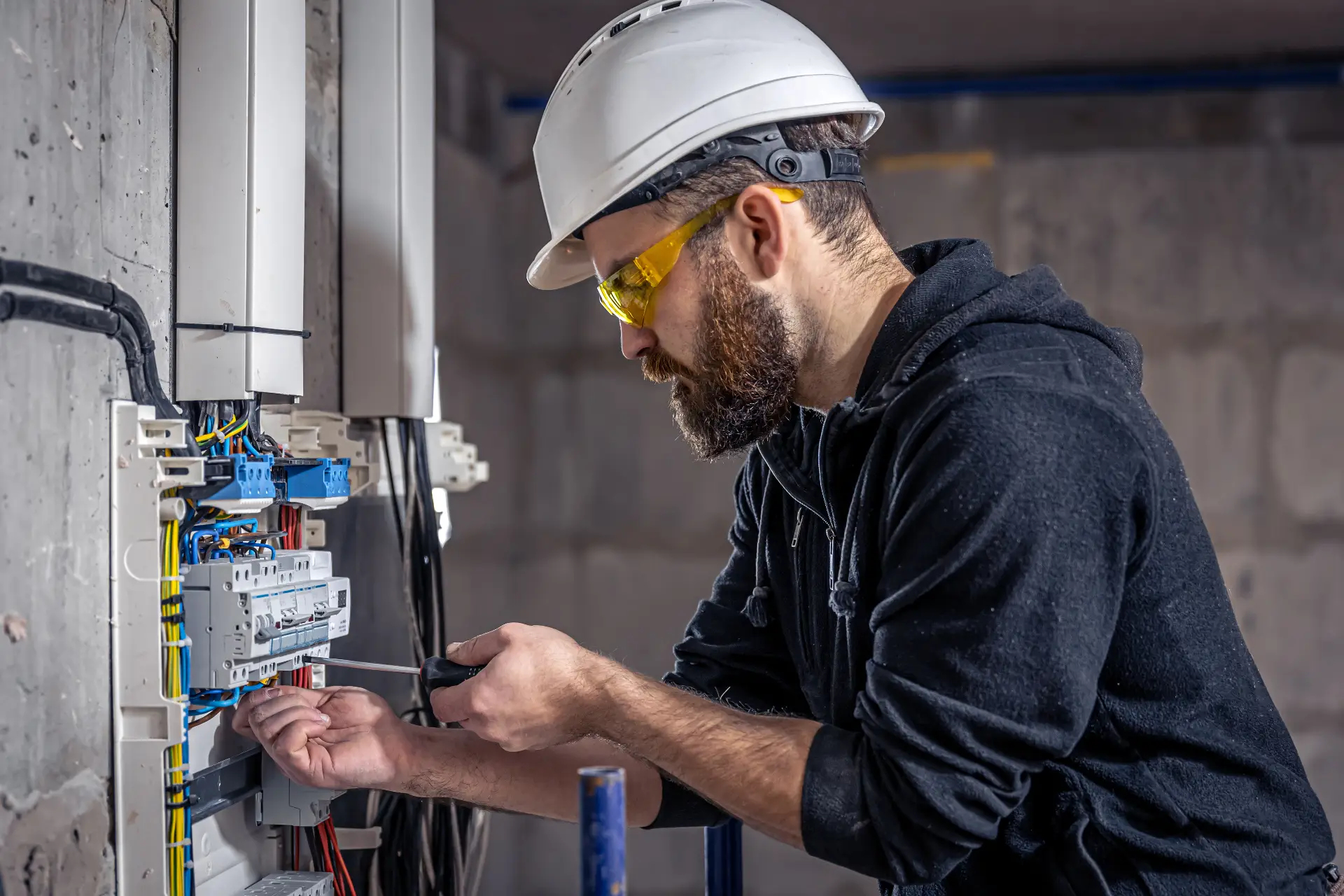
Electrical make safe is a critical preliminary phase in commercial make good and demolition projects, involving the safe decommissioning and isolation of all electrical installations before physical strip-out works begin. This essential process protects workers from electrical hazards, ensures regulatory compliance, and allows demolition teams to work efficiently without risk of encountering live electrical systems. Licensed electricians systematically disconnect, isolate, and remove electrical systems, returning installations to base building configuration and providing certification of safe working conditions. This comprehensive guide explores electrical make safe procedures, compliance requirements, safety considerations, and integration with make good projects in Melbourne commercial properties.
Definition and Purpose: Electrical make safe is the process of safely decommissioning, isolating, and disconnecting all electrical installations within a tenancy or area prior to demolition or strip-out works. The process ensures no live electrical connections remain that could pose hazards to demolition workers, and returns electrical systems to their base building or original configuration as required for make good compliance.
Why Electrical Make Safe is Essential: - Worker Safety: Eliminates risk of electrocution during demolition - Legal Compliance: Required by WorkSafe Victoria and electrical regulations - Efficient Demolition: Allows demolition crews to work without electrical hazards - Make Good Requirement: Returns electrical systems to base building configuration - Insurance: Many insurers require electrical make safe before demolition - Liability Protection: Demonstrates due diligence in safety procedures
When Electrical Make Safe is Required: - Before any demolition or strip-out works commence - During make good projects removing tenant electrical installations - When decommissioning commercial tenancies - Prior to base building electrical work - Before any physical works involving walls, ceilings, or floors with electrical services
Electrical Systems Typically Included: - Power outlets (GPOs) and circuits - Light fittings and switches - Data and communications cabling - Air conditioning electrical connections - Kitchen and bathroom electrical appliances - Switchboards and distribution boards (tenant installations) - Emergency lighting - Security and access control systems - Audio-visual and IT infrastructure - Specialty equipment electrical supplies
Base Building vs Tenant Electrical: - Base Building: Main electrical infrastructure remaining in place - Tenant Installations: All electrical works installed by or for tenant to be removed - Make safe typically addresses tenant installations only - Base building electrical may require isolation but not removal
Site Electrical Survey: - Identification of all electrical installations - Assessment of base building vs tenant electrical systems - Location of main switchboards and distribution boards - Mapping of electrical circuits and systems - Identification of shared services with other tenancies - Asbestos assessment (relevant for older electrical installations)
Documentation Review: - Existing electrical drawings if available - Base building electrical configuration - Lease make good requirements for electrical - Previous electrical compliance certificates - Building management electrical requirements
Work Planning: - Scope definition for disconnection and removal - Sequencing of electrical isolation works - Coordination with building management - Power shutdown scheduling - Access requirements and timing - Safety procedures and risk assessment
Licensed Electrician Requirements: - Only licensed electricians can perform electrical make safe work - Appropriate electrical license type for work scope - Public liability and professional indemnity insurance - WorkSafe Victoria compliance
Isolation Procedures:
1. Main Power Isolation: - Coordination with building management for shutdowns - Lockout/tagout procedures on switchboards - Testing to confirm isolation - Documentation of isolation points - Communication with building occupants if required
2. Circuit Disconnection: - Systematic disconnection of all tenant circuits - Removal of circuit breakers from distribution boards - Capping of cables at switchboards - Labeling of disconnected circuits - Testing to confirm no live connections remain
3. Light Fitting Disconnection: - Isolation of lighting circuits - Disconnection of light fittings at ceiling level - Capping of electrical cables - Removal of light fittings (if required) - Temporary lighting installation if work continuing
4. Power Outlet Disconnection: - Isolation of power circuits - Disconnection at outlet level or within walls/ceiling - Capping of cables - Removal of outlets and faceplates - Patching of wall penetrations (if required for make good)
5. Fixed Appliance Disconnection: - Air conditioning units - Kitchen appliances (ovens, cooktops, rangehoods) - Water heaters and instantaneous hot water systems - Specialty equipment - Emergency lighting systems
6. Data and Communications: - Removal of data cabling (not electrical license required but often coordinated) - Disconnection of communications systems - Removal of data outlets and infrastructure
Electrical Testing: - Dead testing to confirm no live circuits remain - Insulation resistance testing - Earth continuity testing - Polarity testing - Documentation of test results
Electrical Certificate of Compliance: - Certificate of Electrical Safety (CoES) issued by licensed electrician - Certification that electrical make safe works completed safely - Confirmation no live electrical hazards remain - Documentation for building management and insurers - Required before demolition can commence
Handover Documentation: - Electrical make safe completion report - Certificates of electrical safety - Photos of completed works - Updated electrical drawings if available - Lockout/tagout documentation - Handover to demolition contractor with safety clearance
Electrical Safety Regulations: - Electricity Safety Act 1998 (Victoria) - Electricity Safety (Installations) Regulations 2009 - Only licensed electricians can perform electrical work - Proper isolation and lockout/tagout procedures mandatory - Testing and verification required - Penalties for non-compliance including fines and prosecution
Workplace Safety: - Safe Work Method Statements (SWMS) required - Risk assessments completed - Appropriate PPE and safety equipment - Electrical safety training for all workers - Incident reporting procedures
Electrical Licensing: - Electricians must hold appropriate Victorian electrical license - License types: A Grade, B Grade, or Restricted license as relevant - License must be current and in good standing - Only work within license scope permitted - Energy Safe Victoria regulation and oversight
Insurance Requirements: - Public liability insurance (minimum $10-20 million) - Professional indemnity insurance - Workers compensation insurance - Contractor all risks insurance for larger projects - Building management often requires evidence of insurance
Regulatory Oversight: - Energy Safe Victoria regulates electrical safety in Victoria - Electricians must comply with ESV requirements - Electrical Safety Management Schemes for larger projects - Investigation of electrical incidents - Enforcement actions for non-compliance
Electrical Safety Management Scheme (ESMS): - Required for major electrical works or high-risk sites - Documented safety management procedures - Regular inspections and audits - Incident management and reporting - May be required for large make good projects
Critical Timing: - Electrical make safe must be completed BEFORE demolition commences - Demolition cannot start without electrical safety clearance - Certificate of Electrical Safety must be provided to demolition contractor - Make safe works typically scheduled 1-3 days before demolition start
Coordination Requirements: - Communication between electrical contractor and demolition contractor - Handover meeting to confirm safe working environment - Documentation transfer and safety briefing - Temporary services if required during demolition phase
Returning to Base Building: - Removal of all tenant-installed electrical systems - Reinstatement of original outlet and switch locations (if specified) - Reconnection to base building electrical configuration - Patching and making good of walls/ceilings after electrical removal - Final electrical testing and certification
Base Building Electrical Reinstatement: - Reconnection of base building power outlets - Reinstallation of base building light fittings - Testing and certification of reinstated base building electrical - Compliance with current electrical standards - Certificate of Electrical Safety for reinstated systems
Temporary Power During Works: - Temporary distribution boards for construction power - Temporary lighting for ongoing works - Safety switches and appropriate protection - Regular inspection and maintenance - Removal upon completion
Power Distribution: - Desktop power outlets (floor boxes, skirting outlets, desk-mounted) - Server room and IT equipment power - Kitchen and breakout area appliances - Photocopier and printer dedicated circuits - Uninterruptible Power Supply (UPS) systems
Lighting Systems: - Suspended ceiling integrated light fittings - Pendant and feature lighting - Task lighting and desk lamps - Emergency and exit lighting - Lighting control systems
Communications: - Structured data cabling - Phone system infrastructure - AV and video conferencing systems - Security and access control - Building management system integration
High-Load Equipment: - Commercial kitchen equipment (ovens, fryers, refrigeration) - HVAC dedicated circuits - Specialty retail equipment - Display and feature lighting - Signage electrical connections
Three-Phase Power: - Commercial kitchen equipment often requires three-phase - Large HVAC systems - Specialty equipment - Requires licensed electrician familiar with three-phase systems
Heavy Duty Systems: - High-bay lighting systems - Machinery and equipment power - Three-phase distribution - Overhead crane electrical systems - Loading dock equipment electrical
Typical Pricing: - Small office (100-200sqm): $1,500-$3,500 - Medium office (200-500sqm): $3,500-$7,500 - Large office (500-1000sqm): $7,500-$15,000+ - Retail tenancies: $2,500-$10,000+ (depending on equipment) - Industrial/warehouse: $5,000-$20,000+ (depending on complexity)
Factors Affecting Costs: - Size of tenancy and number of circuits - Complexity of electrical installations - Switchboard modifications required - Access and working conditions - Urgency and scheduling requirements - After-hours or weekend work requirements - Building management coordination complexity
Additional Costs: - Temporary power and lighting: $800-$2,500 - Three-phase disconnection: premium of 20-30% - Asbestos electrical materials removal (if present): licensed removal required - Complex systems (BMS, security, AV): specialist electricians may be required
Value of Proper Make Safe: - Prevents demolition delays from unexpected electrical hazards - Avoids WorkSafe penalties and prosecution - Protects against liability from electrical incidents - Ensures insurance coverage remains valid - Facilitates efficient and safe demolition works - Provides certification for building management and insurers
Risks of Inadequate Make Safe: - Worker electrocution or serious injury - WorkSafe prosecution and fines ($10,000s-$100,000s+) - Project delays from safety stand-downs - Liability exposure from incidents - Insurance claim denials - Reputational damage
Strict Electrical Regulations: - Energy Safe Victoria active oversight and enforcement - Regular compliance audits and inspections - Strong enforcement of licensing requirements - Electrical safety campaigns and education
WorkSafe Victoria: - Active site inspections and compliance monitoring - Significant penalties for electrical safety breaches - Incident investigation and prosecution - High priority on electrical safety
Melbourne Commercial Buildings: - Building management often has specific electrical isolation procedures - Access scheduling and coordination requirements - Shutdown windows for electrical isolation (often after hours) - Documentation requirements for building management - Insurance and contractor compliance requirements
Older Buildings: - Heritage electrical systems requiring specialist knowledge - Asbestos switchboards and electrical materials (pre-1990s buildings) - Non-standard electrical configurations - Upgrading requirements when reconnecting base building electrical
Modern Buildings: - Building Management Systems (BMS) integration - Complex electrical distribution - Coordination with multiple building services - High documentation standards
At Make Good Australia, our team of licensed and insured electricians specialises in electrical make safe works for commercial make good and demolition projects. We safely decommission and remove installed electrical systems and data cabling, returning them to base-build configuration and creating a secure environment for demolition crews.
Comprehensive Decommissioning: - Complete electrical system isolation and disconnection - Switchboard modifications and circuit removal - Light fitting and power outlet disconnection - Data and communications removal coordination - Fixed appliance disconnection (kitchen, HVAC, specialty) - Three-phase and high-load equipment disconnection
Safety and Compliance: - Licensed A-Grade electricians for all works - Full WorkSafe Victoria compliance - Proper isolation, lockout/tagout procedures - Comprehensive testing and verification - Certificate of Electrical Safety provided - Public liability and professional indemnity insurance
Project Coordination: - Pre-work electrical survey and planning - Building management coordination for shutdowns - Scheduling to minimise disruption - Communication with demolition contractors - Temporary power and lighting if required - Documentation and handover for safe demolition
Base Building Electrical Reinstatement: - Reconnection of base building electrical systems - Testing and certification of reinstated systems - Compliance with current electrical standards - Coordination with make good scope - Final electrical certificates for handover
Electrical make safe is not just a regulatory requirement - it's an essential safety process protecting workers, ensuring legal compliance, and facilitating efficient demolition and make good works. Professional electrical make safe performed by licensed electricians eliminates electrical hazards, provides proper certification, and creates a safe working environment for subsequent trades.
Proper electrical make safe requires technical expertise, safety knowledge, building management coordination, and full regulatory compliance. Engaging licensed electrical specialists with commercial make good experience ensures this critical preliminary phase is completed safely, efficiently, and to full compliance standards.
Planning a make good or demolition project? Contact Make Good Australia today. Our licensed electricians will safely decommission your electrical systems, provide complete certification, and ensure your project proceeds safely and efficiently.
Make Good Australia Licensed electrical make safe specialists Email: info@makegood.melbourne Creating safe working environments for make good and demolition
We do makegoods all day, every day.
Let's talk scope.
Share the details and we'll come back to you with how we can help.
Ask us anything
👋 Hi! How can I help you today?
Ask about our make-good services, areas we cover, or how we can help with your commercial property.