Facade Cladding Remediation Melbourne
What building owners need to know about cladding risk
1 February 2025 13 min read
What building owners need to know about cladding risk
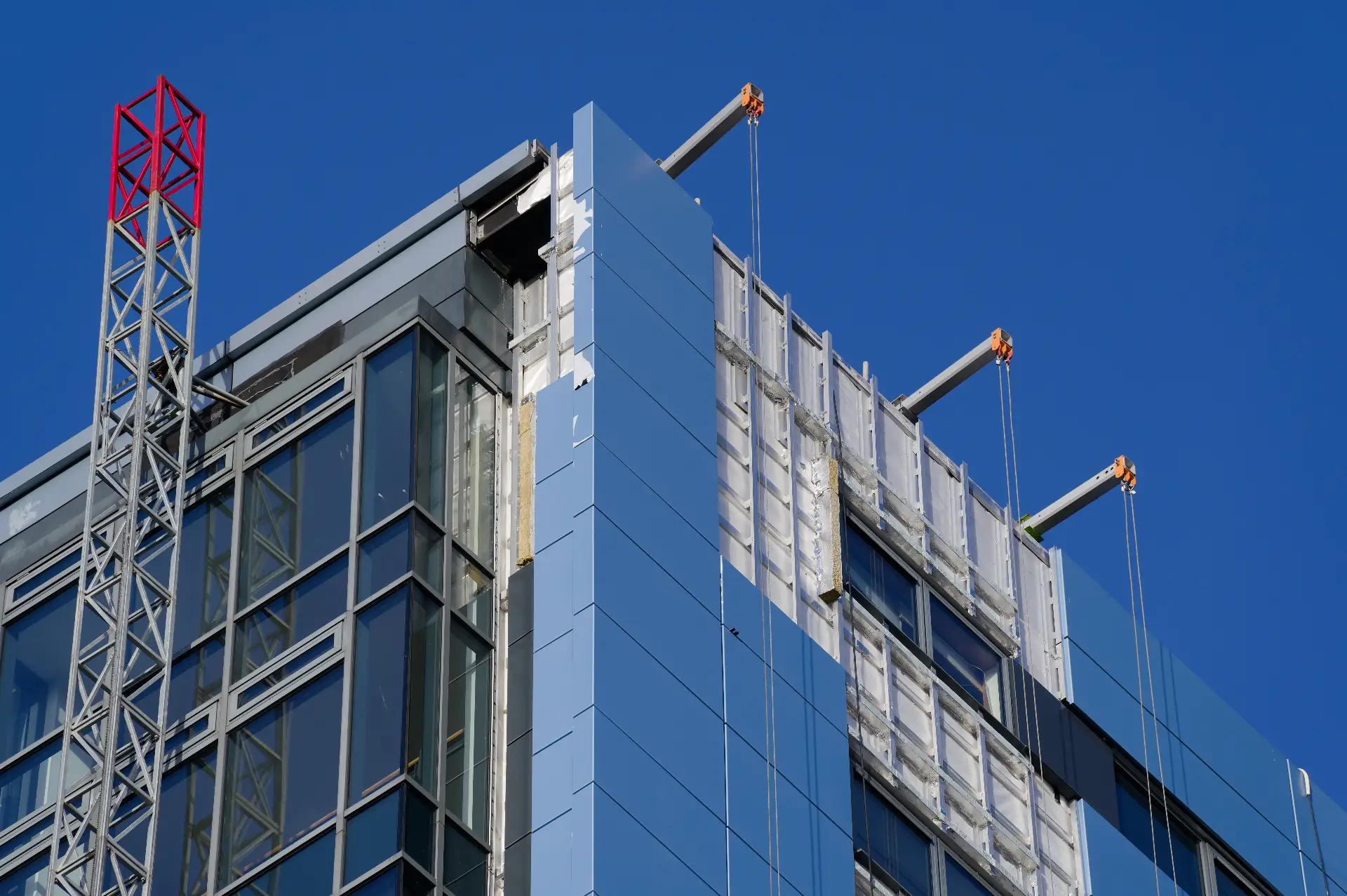
Building façade and external cladding remediation has emerged as one of the most significant challenges facing commercial property owners and managers across Australia. Following tragic building fires and subsequent regulatory reforms, the identification and replacement of non-compliant combustible cladding has become a legal imperative, not merely a maintenance consideration. This comprehensive guide explores façade assessment, cladding remediation processes, fireproof compliance requirements, and implications for commercial property owners, tenants, and make good obligations.
External cladding refers to the protective and decorative covering applied to building façades. Non-compliant cladding typically involves:
Combustible Materials: - Aluminium composite panels (ACP) with polyethylene cores - Expanded polystyrene (EPS) cladding systems - Other combustible materials used inappropriately - Products installed contrary to National Construction Code requirements - Systems lacking adequate fire-stopping measures
Why It Matters: - Rapid fire spread up building exteriors - Severe life safety risks for occupants - Property damage and total loss potential - Legal liability for property owners - Insurance complications and premium increases - Regulatory enforcement and penalties
National Construction Code (NCC): - Defines acceptable cladding materials and applications - Specifies fire resistance level (FRL) requirements - Establishes performance solutions and deemed-to-satisfy provisions - Regular updates strengthening cladding requirements
State-Based Regulations (Victoria specific): - Cladding Safety Victoria oversight - Building Amendment (Cladding Rectification) Regulations - Municipal building surveyor enforcement powers - Mandatory cladding audits for certain buildings - Rectification orders and timeframes - Significant penalties for non-compliance
Building Classifications: - Class 2-9 buildings subject to cladding regulations - Height and proximity factors affecting requirements - Risk assessment-based approach - Different standards for new construction versus existing buildings
Comprehensive Assessment Process:
Stage 1 - Desktop Review: - Building plans and construction documentation - Historical building permits and approvals - Identification of external cladding materials - Initial risk classification - Determination of audit requirements
Stage 2 - Physical Inspection: - Visual façade inspection from ground and elevated positions - Sample extraction for laboratory testing - Core material identification - Installation method assessment - Fire-stopping and cavity barrier evaluation - Documentation of findings with photography
Stage 3 - Laboratory Testing: - Material composition analysis - Fire testing to AS standards - Combustibility classification - Compliance determination against NCC requirements
Stage 4 - Risk Assessment and Reporting: - Fire risk evaluation considering building characteristics - Compliance status determination - Remediation recommendations and prioritisation - Cost estimates for rectification - Regulatory reporting obligations
Mandatory Audit Buildings (Victoria): - Class 2-9 buildings over three storeys - Buildings with identified high-risk cladding - Buildings subject to municipal building surveyor orders - Sale or significant refurbishment triggers - Insurance company requirements
Voluntary Audits (Recommended): - Property owners managing risk proactively - Due diligence for property acquisitions - Lease negotiation transparency - Insurance premium reduction opportunities - Establishing baseline for future liability protection
Visual Indicators: - Aluminium composite panel (ACP) cladding presence - Lightweight façade systems - Rendered foam systems - Discolouration or deterioration - Panel delamination or separation - Previous fire damage or scorching
Detailed Scope Development: - Quantification of non-compliant cladding areas - Structural engineering assessment of façade support - Replacement material selection and specification - Building access and safety planning - Staged remediation approach if building remains occupied - Weather protection and temporary façade measures
Replacement Material Selection:
Compliant Cladding Options: - Non-combustible materials: Fibre cement, ceramic, porcelain, metal (with non-combustible cores) - Fire-resistant systems: Rated composite panels with mineral cores - Rendered masonry: Traditional but compliant approach - Glass curtain wall systems: Modern, compliant aesthetic - Metal standing seam: Durable, non-combustible option
Material Selection Criteria: - NCC compliance and fire performance - Aesthetic match or improvement - Durability and maintenance requirements - Cost and availability - Weight and structural implications - Warranty and product certification
Building Permit Requirements: - Detailed architectural and engineering drawings - Fire engineering reports demonstrating compliance - Structural adequacy certifications - Building surveyor review and approval - Occupational health and safety plans - Traffic management plans for street-facing works
Other Approvals: - Planning permits if façade appearance changes significantly - Heritage approvals for heritage-listed buildings - Owners corporation approval (for multi-tenanted buildings) - Tenant notifications and access agreements
Access Solutions: - Suspended scaffolding systems for multi-storey buildings - Rope access for targeted repairs (limited applications) - Elevated work platforms (EWPs) for lower buildings - Internal access where possible to minimise disruption - Traffic management and public safety barriers
Safety Management: - Working at heights compliance - Fall protection systems and edge protection - Public safety exclusion zones - Debris netting and containment - Weather monitoring and work stoppages - Licensed and qualified personnel
Systematic Removal Process: - Panel-by-panel or section-by-section removal - Careful extraction to avoid structural damage - Exposure of building substrate and frame - Assessment of substrate condition - Identification of additional works required - Proper disposal of combustible materials
Uncovered Issues: - Water damage behind cladding - Deteriorated building wrap or membrane - Structural defects requiring repair - Inadequate insulation - Building movement or cracking - Contamination (asbestos, lead paint)
Building Envelope Restoration: - Repair of concrete, masonry, or steel substrates - Installation or replacement of waterproof membranes - Cavity barrier and fire-stopping installation - Insulation upgrades (often required) - Structural repairs if identified - Ensuring compliant substrate for new cladding
Professional Installation: - Installation to manufacturer specifications - Appropriate fixing methods and spacing - Correct use of sealants and flashings - Maintaining required fire ratings at penetrations - Quality control inspections during installation - Progressive weatherproofing to protect interior
Quality Assurance: - Third-party inspection at key stages - Testing of installed systems (water testing if applicable) - Documentation of compliant materials and installation - Photographic records throughout process - Independent certification of completion
Building Surveyor Inspections: - Verification of NCC compliance - Approval of fire-stopping and cavity barriers - Confirmation of material specifications - Issuing of occupancy permit or certificate of final inspection
Documentation Package: - As-built drawings showing new cladding - Material specifications and test certificates - Installation certifications and warranties - Compliance certificates - Photographic records - Maintenance schedules and recommendations
1. Aluminium Composite Panels (ACP) with Mineral Cores: - Fire-resistant alternative to polyethylene core ACPs - Maintains aesthetic similarity to original non-compliant panels - Class 0 or A2 fire rating available - More expensive than combustible versions - Suitable for modern commercial aesthetics
2. Fibre Cement Sheeting: - Non-combustible, economical option - Available in various textures and finishes - Suitable for painting in desired colours - Proven durability and weather resistance - Lower fire risk profile
3. Metal Standing Seam and Panel Systems: - Steel, aluminium, or zinc cladding - Non-combustible by nature - Modern industrial aesthetic - Excellent durability and low maintenance - Wide colour range available
4. Ceramic and Porcelain Panels: - Premium non-combustible option - High-quality appearance and finish - Excellent durability and colour retention - Higher cost option - Suitable for prestige buildings
5. Glass and Glazing Systems: - Non-combustible curtain wall solutions - Modern aesthetic with transparency options - Complex installation requiring specialist contractors - High-performance thermal and acoustic properties - Significant cost consideration
Aesthetic Outcomes: - Matching original building character versus contemporary update - Colour and finish selection - Texture and pattern considerations - Heritage and planning overlay requirements - Street presence and neighbouring context
Performance Requirements: - Thermal performance and energy efficiency - Acoustic insulation - Weather resistance and durability - Maintenance requirements - Life cycle cost analysis
Cost Variables: - Building height and access complexity - Area of cladding requiring replacement - Selected replacement materials (wide cost range) - Extent of substrate repairs needed - Scaffold or access equipment duration - Engineering and consulting fees - Regulatory approval costs - Project management and supervision
Indicative Cost Ranges (2024 Melbourne, per square metre): - Basic fibre cement replacement: $400-$700/sqm - Mid-range ACP with mineral core: $600-$1,000/sqm - Premium ceramic or metal systems: $1,000-$2,000/sqm - High-rise or complex access: Add 30-100% premium - Costs include: Removal, disposal, substrate preparation, supply, and installation
Additional Costs: - Engineering and architectural fees: $50,000-$200,000+ - Building permits and approvals: $5,000-$50,000 - Project management: 5-10% of construction cost - Contingency for unforeseen issues: 15-25% - Temporary accommodation (if building unusable during works)
Victorian Cladding Rectification Programs: - Victorian Cladding Rectification Agreement (for eligible buildings) - Low-interest loan schemes - Shared funding models between government and owners - Eligibility criteria and application processes
Owners Corporation Considerations: - Special levies on lot owners - Borrowing against owners corporation - Negotiation with developers (if defects claim viable) - Strata insurance claims (limited applicability)
Lease Make Good Clauses: - Generally, façade and structural cladding is landlord responsibility - Tenant responsible only if damage caused by tenant operations - Regulatory compliance obligations typically rest with building owner - Clear lease drafting essential for avoiding disputes
Tenant Considerations: - Business interruption during façade works - Access disruptions and amenity impacts - Temporary relocation if required - Rent abatement negotiations during major disruption - Safety compliance for staff and visitors during works
Building Owner Obligations: - Legal duty to maintain compliant façade - Cannot delegate compliance obligation to tenants - Liability for fire safety failures - Insurance obligations and potential exclusions for non-compliant buildings - Disclosure obligations to prospective tenants and purchasers
Timing of Remediation Works: - During vacancy: Ideal timing, minimal disruption - Between tenancies: Allows unobstructed access - During tenancy: Requires tenant cooperation and potentially compensation - Regulatory deadlines: May force works during tenancy
Due Diligence for Purchasers: - Cladding audit as essential pre-purchase investigation - Contractual warranties regarding cladding compliance - Price negotiation reflecting remediation liability - Insurance implications of acquiring non-compliant building
Vendor Disclosure Obligations: - Known cladding issues must be disclosed - Existing audit reports and rectification quotes - Outstanding orders from building surveyors - Insurance implications and limitations
Licensing and Registration: - Commercial Builder registration (Victoria) - Relevant class and value of work limitations - Public liability insurance (minimum $20 million) - Professional indemnity insurance - WorkCover compliance
Experience and Capability: - Demonstrated façade remediation experience - Fire-rated system installation expertise - High-rise access and safety management capability - NCC compliance understanding - Quality assurance and inspection processes
References and Track Record: - Recent similar project examples - Client references (contactable) - Building surveyor and engineer references - Safety record and compliance history - Financial stability and insurance currency
Tender and Selection: - Detailed specification and scope documents - Competitive tender from pre-qualified contractors - Assessment criteria beyond price (capability, programme, safety) - Contractual risk allocation - Payment structures and security
Contractual Arrangements: - Fixed price versus cost-plus models - Progress payment structures - Defects liability periods - Warranties and guarantees - Programme and liquidated damages - Variations and contingency management
Complex Project Teams: - Building owner or owners corporation - Project manager - Architect and fire engineer - Structural engineer - Building surveyor - Cladding remediation contractor - Specialist subcontractors (access, demolition, installation) - Tenants and facility managers
Communication and Disruption Management: - Regular stakeholder updates - Tenant communication plans - Public notifications (for street-facing works) - Progress reporting and transparency - Issue escalation and resolution processes
Project Risks: - Weather delays (significant for external façade works) - Unforeseen substrate conditions - Material supply delays or shortages - Contractor performance issues - Regulatory requirement changes - Budget overruns - Programme delays extending disruption
Mitigation Strategies: - Comprehensive pre-construction investigations - Realistic programmes with contingency time - Adequate budget contingencies (20-25%) - Contractor vetting and insurance requirements - Regular inspections and quality control - Proactive stakeholder communication - Weather contingency planning
New Cladding Maintenance: - Regular cleaning and inspection schedules - Prompt repair of damage or deterioration - Sealant and joint inspection and maintenance - Fixings and fastener integrity checks - Documentation of maintenance activities
Warranty Management: - Material warranties (typically 10-20 years) - Installation warranties (minimum 6 years structural, often longer) - Defects liability period (typically 12 months) - Warranty claim procedures and documentation
Building Owner Responsibilities: - Retain all compliance documentation - Provide documentation to future owners or tenants - Ongoing compliance with NCC and regulations - Regular fire safety audits - Insurance disclosure and compliance
Life Safety: - Elimination of rapid external fire spread risk - Improved emergency egress safety - Peace of mind for occupants and owners - Regulatory compliance and avoided penalties
Commercial Benefits: - Maintained or enhanced property value - Improved tenant attraction and retention - Competitive rental positioning - Reduced vacancy periods - Unimpaired property salability
Risk Reduction: - Reinstatement of full insurance coverage - Reduced insurance premiums - Eliminated personal liability for building owners - Protection from regulatory penalties - Avoided litigation risks
Façade cladding remediation represents one of the most significant compliance and financial challenges facing commercial property owners. However, proactive assessment, transparent planning, and quality remediation work delivers safe, compliant buildings that protect occupants, preserve property value, and eliminate legal liability. With rigorous regulatory oversight and serious consequences for non-compliance, timely cladding remediation is not optional—it's an essential responsibility of property ownership.
Whether addressing mandatory rectification orders, proactive risk management, or property transaction requirements, engaging qualified consultants and experienced contractors ensures compliant outcomes that meet all regulatory requirements. The investment in proper façade remediation is ultimately an investment in safety, building longevity, and protection of significant property assets.
Need professional assessment of your building's cladding or guidance on remediation projects? Our experienced team works with qualified engineers, building surveyors, and remediation specialists to deliver safe, compliant outcomes on time and within budget. Contact us today for a comprehensive cladding assessment and detailed remediation proposal.
We do makegoods all day, every day.
Let's talk scope.
Share the details and we'll come back to you with how we can help.
Ask us anything
👋 Hi! How can I help you today?
Ask about our make-good services, areas we cover, or how we can help with your commercial property.