Concrete Cancer Melbourne | Prevention and Remediation
What it is, what causes it and when to act
1 June 2024 5 min read
What it is, what causes it and when to act
Concrete cancer, also known as concrete spalling or concrete deterioration, is one of the most serious structural issues facing commercial and industrial properties in Melbourne. Left untreated, this progressive deterioration can compromise building safety, reduce property value, and lead to expensive emergency repairs. Understanding the causes, early warning signs, and remediation options is essential for property owners, managers, and real estate agents.
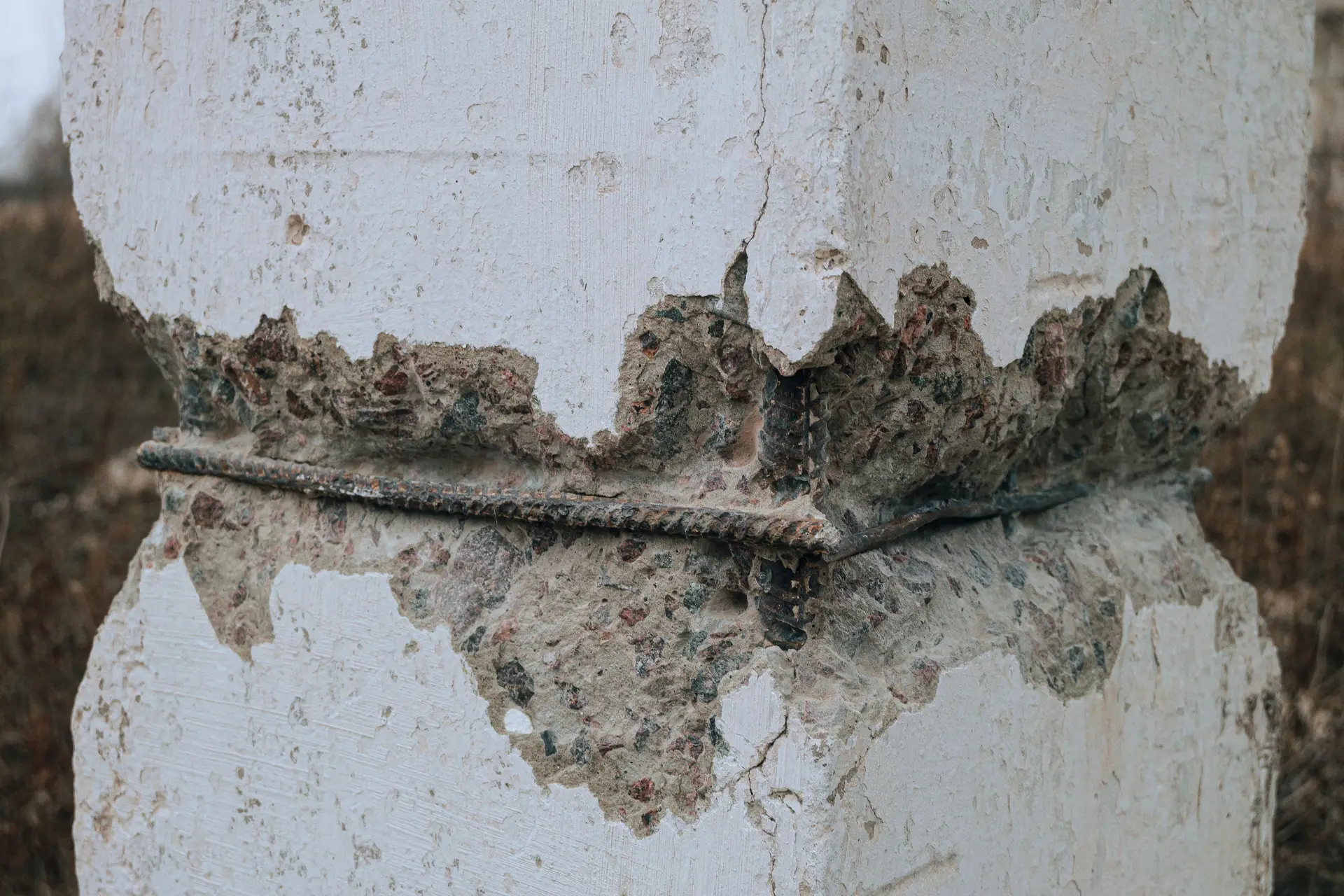
Concrete cancer occurs when the steel reinforcement (rebar) inside concrete begins to corrode. As steel rusts, it expands—up to ten times its original volume—creating internal pressure that cracks and breaks apart the surrounding concrete. This process is called spalling, and once it begins, it accelerates rapidly if left untreated.
The result is visible cracking, flaking, and concrete pieces falling away, exposing the corroded steel beneath. Beyond the aesthetic damage, concrete cancer poses serious structural and safety risks.
Several factors contribute to concrete cancer in commercial properties:
Melbourne's variable weather, combined with aging waterproofing systems, allows moisture to seep into concrete. This is the primary catalyst for steel corrosion.
Insufficient concrete cover over steel reinforcement, incorrect concrete mix ratios, or poor compaction during construction can accelerate deterioration.
Properties near coastal areas or those exposed to de-icing salts experience faster corrosion rates.
Over time, atmospheric carbon dioxide reacts with concrete, reducing its alkalinity and removing the protective layer that normally prevents steel corrosion.
Older buildings constructed before modern building codes often lack adequate protective measures against moisture and corrosion.
Catching concrete cancer early can save tens of thousands in repair costs. Watch for these indicators:
Regular building inspections by qualified professionals can identify issues before they become critical.
Delaying remediation can lead to:
Effective concrete cancer remediation requires specialist expertise and follows a systematic approach:
Structural engineers conduct detailed inspections, often using techniques like:
All deteriorated concrete is carefully removed to expose the corroded steel, ensuring complete access to affected areas.
Exposed steel reinforcement is:
High-performance repair mortars are applied to:
Waterproofing membranes and protective coatings are applied to prevent future moisture penetration.
Regular inspections ensure repairs remain effective and identify any emerging issues early.
While concrete cancer can affect any property, proactive measures reduce risk:
DIY or inadequate repairs often fail because:
Professional remediation ensures compliance with building codes, addresses root causes, and provides warranties for peace of mind.
For tenants vacating commercial properties with concrete cancer issues, understanding make-good obligations is crucial. While structural issues typically fall to the landlord, tenant-caused damage or accelerated deterioration may trigger make-good responsibilities. Clear documentation at lease commencement protects both parties.
Concrete cancer is a serious but manageable issue when addressed promptly by qualified professionals. Property owners and managers who prioritise regular inspections and immediate remediation protect their investments, ensure occupant safety, and maintain property value.
If you've noticed signs of concrete deterioration in your commercial or industrial property, don't wait. Early intervention is always more cost-effective than emergency repairs. Contact our specialist team today for a comprehensive assessment and expert remediation solutions tailored to your property's needs.
We do makegoods all day, every day.
Let's talk scope.
Share the details and we'll come back to you with how we can help.
Ask us anything
👋 Hi! How can I help you today?
Ask about our make-good services, areas we cover, or how we can help with your commercial property.