Parapet Failure Melbourne | Emergency Building Repairs
What to do when a wall becomes a safety issue
1 June 2025 12 min read
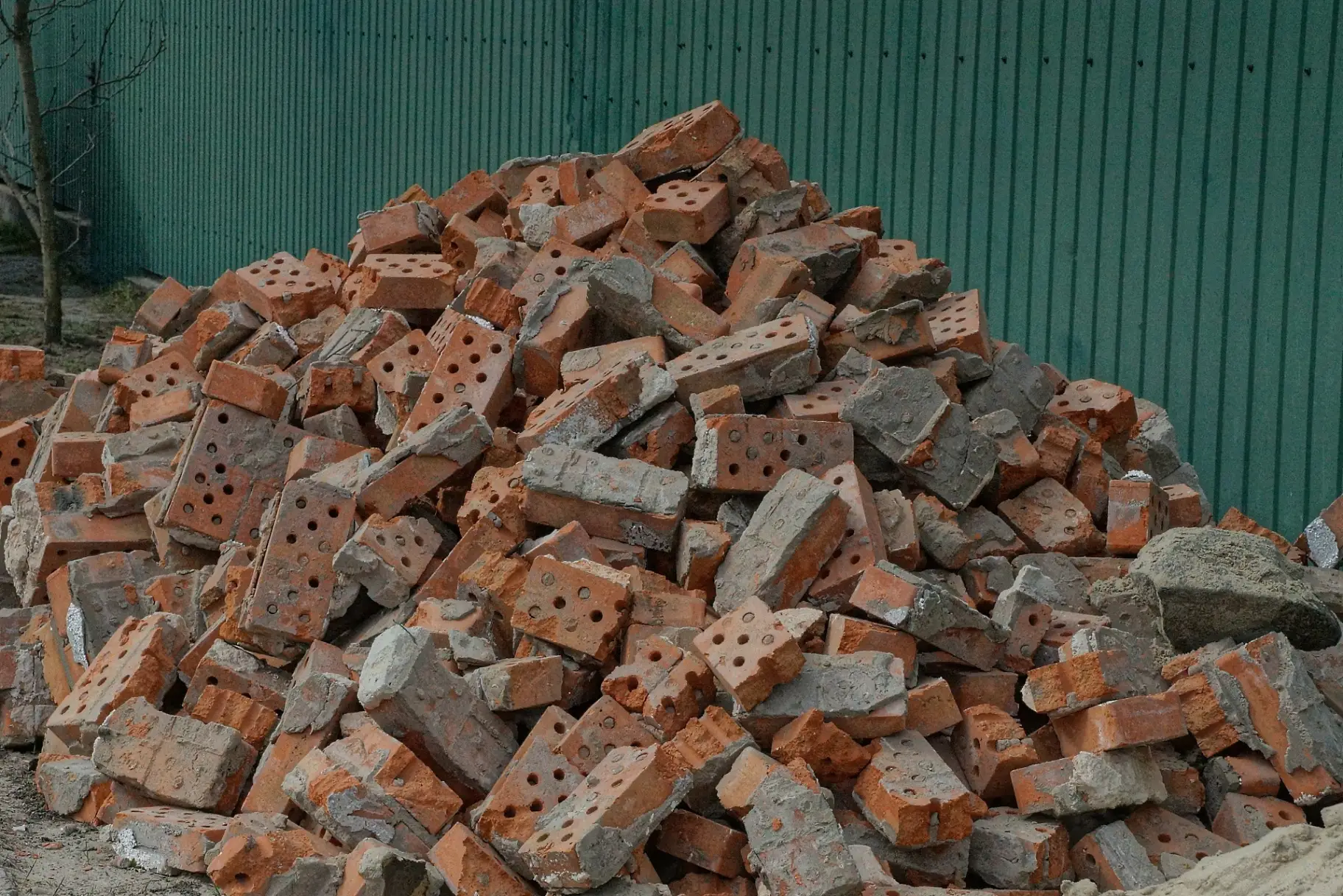
What to do when a wall becomes a safety issue
Parapet failure and facade collapse represent some of the most serious building emergencies in commercial properties, creating immediate public safety risks and requiring urgent professional response. When parapets or building facades fail and debris falls onto footpaths, roads, or adjacent properties, rapid action is essential to secure the site, remove hazards, assess structural integrity, and commence repairs. Professional emergency building repair services coordinate the entire response, from initial emergency securing through structural engineering assessment to complete reconstruction and compliance. This comprehensive guide explores parapet failure causes, emergency response procedures, regulatory requirements, and reconstruction processes for Melbourne commercial properties.
Definition and Purpose: - Low protective wall extending above roofline or building edge - Typically constructed of brick, masonry, or concrete - Provides edge protection and architectural feature - Conceals roof equipment and drainage systems - Common feature on older commercial and heritage buildings
Types of Parapets: - Solid brick or masonry parapets - Rendered or painted brick parapets - Capped parapets with coping stones - Decorative or ornamental parapets - Simple upstand parapets
Age and Material Deterioration: - Mortar deterioration and loss of pointing - Brick or masonry spalling and crumbling - Render failure exposing brickwork to weather - Steel reinforcing corrosion causing expansion and cracking - Coping stone failure allowing water penetration - Accumulated damage over decades without maintenance
Water Damage: - Water penetration through failed pointing or cracks - Freeze-thaw cycles (less common in Melbourne but occurs) - Internal water accumulation in parapet cavity - Failed or inadequate damp-proof coursing - Blocked or failed drainage systems - Rising damp from roof level
Structural Movement and Stress: - Building settlement causing differential movement - Seismic activity or ground movement - Inadequate original construction or fixing - Thermal expansion and contraction stresses - Wind loading on exposed parapets - Vibration from traffic or nearby construction
Poor Maintenance and Repairs: - Deferred maintenance allowing progressive deterioration - Previous inappropriate repairs (wrong materials, poor workmanship) - Failure to address warning signs (cracking, movement, bulging) - Accumulation of vegetation growth in mortar joints - Roof modifications affecting parapet support
Original Construction Defects: - Inadequate ties between parapet and main structure - Insufficient thickness or structural support - No or inadequate damp-proof coursing - Poor quality materials or workmanship - Non-compliant construction to historical standards
Visual Indicators: - Bulging or leaning of parapet wall - Vertical or horizontal cracking in brickwork - Loose or missing bricks or masonry pieces - Crumbling or spalling bricks - Render cracks or delamination - Visible movement or separation from main structure - Water staining indicating penetration
When to Act: - Any visible movement or bulging requires immediate assessment - Cracking or deterioration should trigger professional inspection - Regular building inspections should include parapet condition - Don't wait for failure - prevention is critical
Public Safety Priority: - Immediate area exclusion around building - Footpath and road closure if necessary - Emergency services notification (000 if people injured) - Building evacuation if structural safety uncertain - Protection of pedestrians and traffic - Security of site to prevent unauthorised access
Site Securing: - Temporary fencing or barriers around hazard zone - Traffic management if road affected - Pedestrian diversions around site - Security personnel if required for high-traffic areas - Warning signage and lighting - Protection from weather if rain forecast
Initial Assessment: - Visual inspection from safe distance by qualified personnel - Identification of extent of failure and remaining unstable elements - Assessment of risk of further collapse - Photographic documentation - Drone inspection if available and safe - Planning for emergency structural assessment
Required Notifications: - Local Council: Immediate notification of building emergency - Building Surveyor: Emergency building order or emergency order - Emergency Services: If public safety risk or injuries - Building Insurance: Urgent notification of incident - Adjacent Properties: Warning of hazard if affecting neighbours - WorkSafe Victoria: If workplace incident or worker safety issues
Council Emergency Orders: - Council can issue emergency orders requiring immediate action - Building owner must comply with emergency order requirements - May require immediate structural assessment - May mandate specific securing or repair actions - Serious penalties for non-compliance
Structural Engineer Engagement: - Immediate engagement of structural engineer - Site inspection (may require elevated work platform or drone) - Assessment of remaining structure stability - Identification of immediate hazards requiring remediation - Recommendations for emergency works - Written report for council and building owner
Assessment Scope: - Extent of parapet failure and affected structure - Stability of remaining parapet and facade - Risk of further collapse or failure - Underlying causes of failure - Emergency stabilization requirements - Scope of permanent repair works required
Safe Debris Removal: - Elevated work platform or scaffolding for access - Removal of fallen debris from footpath/road - Clearing of gutters and drainage systems - Collection and disposal of building materials - Street sweeping and cleaning - Reopening of public access where safe
Hazard Removal: - Removal of loose or unstable brickwork from remaining parapet - Dismantling of dangerous sections identified by engineer - Securing of remaining structure - Professional contractors with height access equipment - Traffic management during works - Full safety procedures and PPE
Weather Protection Measures: - Temporary roofing or tarpaulins over exposed areas - Protection of building interior from water penetration - Scaffolding and protection systems - Regular inspection and maintenance of temporary measures - Planning for permanent repairs
Structural Stabilization Methods: - Steel propping or bracing of unstable sections - Temporary tie-backs to secure remaining parapet - Partial dismantling to safe, stable level - Structural steel supports as required - Engineer supervision and certification - Preparation for permanent reconstruction
Structural Design: - Detailed structural engineering assessment and design - Analysis of failure causes and remediation - Design to current Building Code standards - Improved structural fixing and support - Damp-proofing and weatherproofing design - Documentation for building permit
Building Permit: - Building permit required for reconstruction - Structural engineer certification - Compliance with Building Code of Australia - Council approval process - Private building surveyor or council building surveyor - Heritage approvals if heritage-listed property
Preparation Works: - Scaffolding and edge protection installation - Further strip-back to sound structure as required - Preparation of base and fixing points - Damp-proof course installation or replacement - Installation of structural ties and fixing systems
Reconstruction: - Brickwork or masonry reconstruction to engineering design - Matching of original materials and finishes (especially heritage) - Installation of structural reinforcing as designed - Proper mortar mixes and pointing - Coping stone installation with proper weatherproofing - Render or finish application if required
Waterproofing and Protection: - Damp-proof coursing between parapet and roof - Coping stone sealing and weatherproofing - Drainage provisions to prevent water accumulation - Pointing and mortar protection - Render or protective coatings as required
Quality Assurance: - Structural engineer inspections during construction - Building surveyor mandatory notifications and inspections - Documentation of materials and construction - Final certification and sign-off - Warranty documentation
Heritage-Listed Buildings: - Heritage approvals required before works - Conservation architect involvement - Matching of original materials, bricks, mortar - Traditional construction methods where required - Documentation and recording - Heritage Victoria or local council heritage approval
Building Permit Requirements: - Building permit mandatory for parapet reconstruction - Structural engineering documentation required - Registered building practitioner (RBP) required - Mandatory notifications at stages of construction - Final inspection and occupancy certificate
Emergency Order Compliance: - Compliance with any emergency orders issued - Timeframes for completion of works - Regular reporting to council if required - Penalties for non-compliance
Planning Permits (if required): - Planning permit may be required for heritage or overlay areas - External appearance changes may trigger planning approval - Faster emergency pathways may be available - Consultation with council planning department
Footpath/Road Occupation: - Permits required for footpath closure or scaffolding - Traffic management plans if road affected - Public liability insurance requirements - Regular compliance checks by council
Workplace Safety: - High-risk construction work notifications - Scaffolding and height safety compliance - Safe work method statements (SWMS) - Worker qualifications and training - Site safety inspections - Incident reporting if workplace accident
Immediate Emergency Works: - Site securing and fencing: $2,000-$5,000 - Traffic management: $500-$2,000 per day - Emergency debris removal: $3,000-$10,000 - Emergency structural assessment: $3,000-$8,000 - Temporary stabilization: $5,000-$20,000 - Total emergency costs: $15,000-$50,000+
Parapet Reconstruction (highly variable): - Small parapet section (5-10m length): $15,000-$40,000 - Medium parapet section (10-20m length): $40,000-$100,000 - Large or complex parapet: $100,000-$300,000+ - Heritage reconstruction: 30-50% premium
Factors Affecting Costs: - Height and access requirements (scaffolding) - Extent of failure and reconstruction scope - Heritage requirements and matching materials - Structural engineering and design complexity - Building permit and approval costs - Project duration and site establishment - Complexity of existing building structure
Professional Fees: - Structural engineer: $5,000-$15,000+ - Building surveyor: $2,000-$5,000 - Conservation architect (heritage): $5,000-$15,000 - Project management: 10-15% of construction cost
Building Insurance Claims: - Most building insurance covers sudden structural failure - Excess applicable (typically $5,000-$10,000) - Documentation requirements extensive - Loss assessor may be appointed by insurer - Gradual deterioration often not covered - Maintenance-related failures may have reduced coverage
Public Liability: - Critical importance of public liability insurance - Claims from injuries or property damage - Legal defence costs - Importance of immediate response to minimise liability
Parapet Inspection Schedule: - Professional inspection every 3-5 years minimum - Annual visual inspections by building manager - Post-storm or severe weather inspections - Inspection after seismic events - Inspection of parapets on older buildings (pre-1980s) critical
What to Inspect: - Mortar condition and pointing - Brick or masonry condition (cracks, spalling) - Coping stones security and condition - Render condition if rendered - Signs of water penetration or staining - Bulging, leaning, or movement - Vegetation growth in joints
Regular Maintenance Activities: - Repointing as mortar deteriorates (every 20-30 years typically) - Render repairs or replacement - Coping stone repairs and sealing - Drainage system maintenance - Removal of vegetation - Treatment of rising damp - Regular painting of rendered surfaces
Cost of Prevention vs Failure: - Regular repointing: $150-$300 per square meter - Complete reconstruction after failure: $1,500-$3,000+ per square meter - Prevention is 5-10 times more cost-effective than failure response
Victorian-Era and Early 20th Century Buildings: - Melbourne CBD and inner suburbs have extensive heritage buildings - Many with original brick parapets now 100+ years old - Heritage overlays and requirements common - Specialised heritage trades and materials required
Melbourne Climate Impacts: - Variable weather accelerates deterioration - Frequent temperature changes causing thermal stress - Periodic heavy rain events causing water damage - Generally milder than other states but still damaging over time
Strict Building Regulations: - Victorian Building Authority strong enforcement - Council emergency order powers - Mandatory structural engineering for parapet works - Heritage Victoria oversight for significant buildings
At Make Good Australia, we provide comprehensive emergency building repair services, including rapid response to parapet failures and structural emergencies. Our experienced team manages the complete process from initial emergency securing through to final reconstruction and certification.
Immediate Response: - Rapid response during business hours for building emergencies - Rapid site securing and public safety measures - Traffic management and footpath closure coordination - Emergency debris removal and hazard elimination - Immediate structural engineer engagement
Complete Project Management: - Coordination of all emergency works - Structural engineering liaison - Building permit and approval management - Council and authority notifications and compliance - Insurance claim documentation and support - Communication with all stakeholders
Professional Reconstruction: - Licensed building practitioners and trades - Structural engineering design implementation - Heritage-sensitive reconstruction where required - Compliance with all regulations and standards - Quality assurance and certification - Warranty on completed works
Earlier this year, we responded to a parapet failure where a parapet wall collapsed onto a busy Melbourne footpath. Our team: - Secured the site within hours of notification - Coordinated immediate structural assessment - Removed debris and reopened the footpath safely - Managed all council notifications and emergency orders - Completed full reconstruction within required timeframes - Achieved full compliance and certification
Parapet failure represents a serious building emergency requiring immediate professional response to protect public safety and manage regulatory requirements. From emergency site securing and debris removal through structural assessment to complete reconstruction, professional emergency building repair services ensure the entire response is coordinated, compliant, and completed to the highest standards.
Prevention through regular inspection and maintenance is always preferable to emergency response, but when failure occurs, engaging experienced emergency repair specialists ensures the situation is managed safely, efficiently, and with full regulatory compliance.
Experiencing a building emergency or parapet failure? Contact Make Good Melbourne during business hours. Our team will rapidly secure your site, coordinate all required assessments and approvals, and manage complete reconstruction.
Make Good Melbourne Melbourne's building repair specialists Email: info@makegood.melbourne Available during business hours
We do makegoods all day, every day.
Let's talk scope.
Share the details and we'll come back to you with how we can help.
Ask us anything
👋 Hi! How can I help you today?
Ask about our make-good services, areas we cover, or how we can help with your commercial property.