Port Melbourne Warehouse Make Good | Case Study
A case study in getting it done on time
2025-11-08 14 min read
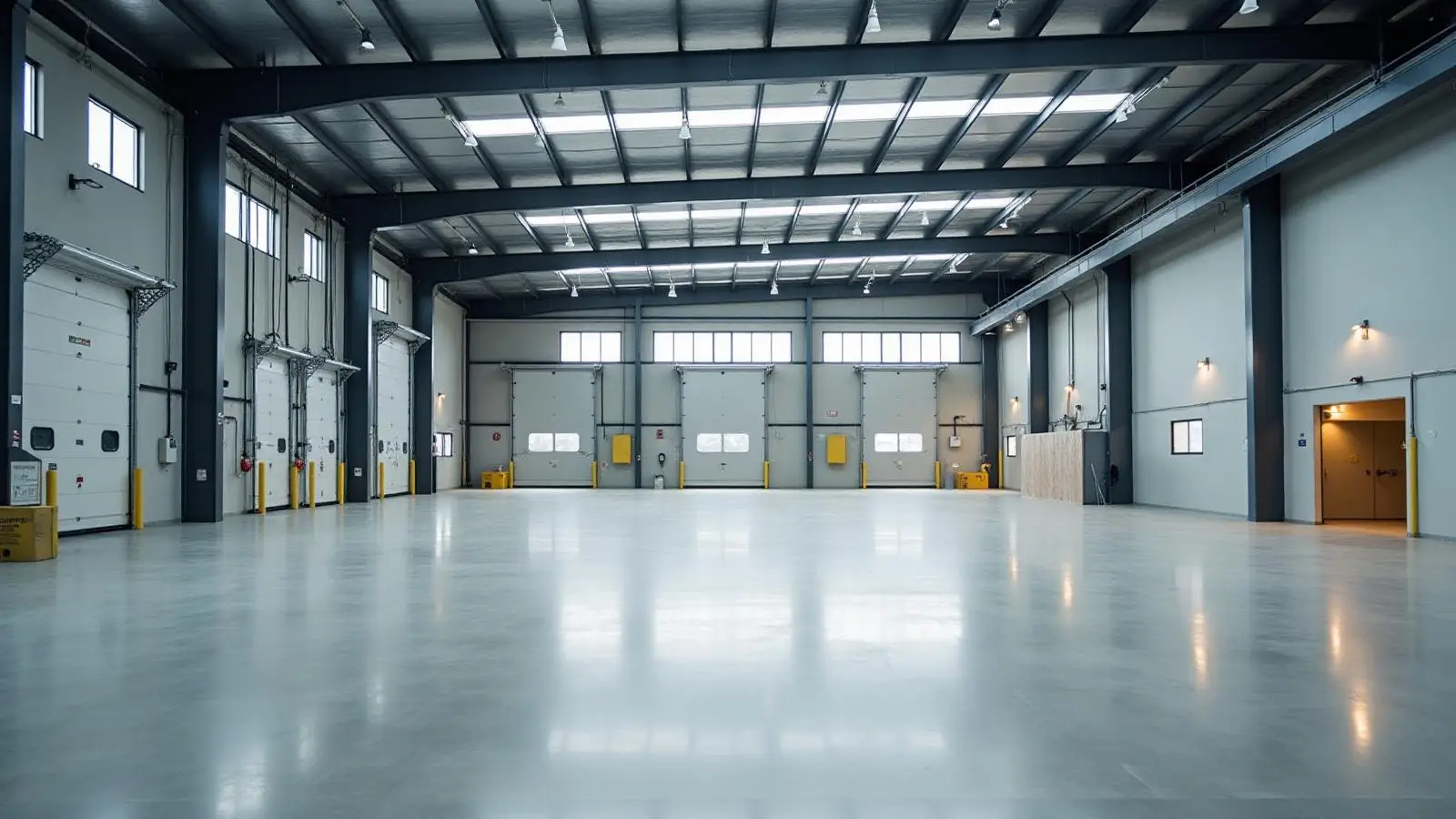
A case study in getting it done on time
Ending a warehouse lease in Port Melbourne doesn't have to be a nightmare. With proper planning, clear documentation and the right approach to your make good obligations, you can navigate the exit process smoothly and protect your bond. This guide breaks down everything Port Melbourne warehouse tenants need to know about end of lease requirements, from understanding what "make good" actually means to negotiating fair outcomes with landlords.
Make good is your contractual obligation to return the warehouse to the condition specified in your lease—usually matching the condition when you moved in, minus fair wear and tear. For most Port Melbourne warehouse tenants, this means:
Common Make Good Requirements: - Removing racking, mezzanines, and other tenant installations - Repairing damaged concrete floors (wheel marks, gouges, chemical stains) - Removing or repainting line marking to landlord specifications - Disconnecting tenant electrical and plumbing installations - Removing internal partitions or offices you've built - Repairing damaged walls, doors, and roller shutters - Professional cleaning of the entire premises - Waste removal and site clearance
The key is your lease agreement and the ingoing condition report. If you didn't get a detailed condition report with photos when you moved in, you're already at a disadvantage. That's why we always tell tenants: document everything on day one.
Here's where most disputes happen. Fair wear and tear recognises that warehouses naturally deteriorate from normal use. You shouldn't pay for:
Normal Deterioration: - Light surface abrasion on concrete from normal forklift traffic - Minor scuffing on walls from pallets - Faded line marking from UV exposure - Worn paint in high-traffic areas - Natural weathering of external surfaces - Minor cracks in old concrete (not caused by overloading)
Damage You ARE Responsible For: - Deep gouges from overloaded forklifts or dropped loads - Chemical spills that damage or stain the concrete slab - Holes drilled without landlord approval - Damage to roller doors from improper use - Broken windows or damaged roof panels - Oil stains from equipment leaks
Pro tip: Take dated photos of everything when you move in AND when you move out. These photos are worth their weight in gold during disputes.
Start Planning Now: - Pull out your lease and read the make good clause carefully - Find your ingoing condition report (or note if you don't have one) - Walk the warehouse and make a list of everything that needs addressing - Take comprehensive photos of current condition - Get 2-3 quotes from make good contractors familiar with Port Melbourne industrial properties
We can't stress this enough: start early. We've seen tenants leave everything until the last month and end up paying premium rates because contractors are booked out.
Get Your Ducks in a Row: - Choose your make good contractor and lock in dates - Check if you need permits for any structural work (mezzanine removal, etc.) - Arrange asbestos testing if your warehouse was built pre-1990 - Start negotiating with your landlord about scope of works - Clear out equipment and inventory to allow access for contractors
Execute Your Plan: - Major strip-out work begins (racking removal, mezzanines) - Floor repairs and remediation - Electrical and plumbing disconnections (must be licensed trades) - Internal partition removal if required - Line marking removal or repainting
Finishing Touches: - Deep clean entire warehouse - Minor repairs and touch-ups - Final waste removal - Professional photos of completed works - Schedule final inspection with landlord or property manager
Here's what different warehouse components typically involve:
| Component | What's Involved | Typical Timeline | Cost Indicator |
|---|---|---|---|
| Pallet Racking | Dismantle, remove anchor bolts, patch and seal floor holes | 1-3 weeks | Moderate-High (depends on height/quantity) |
| Mezzanine Floor | Structural dismantling, engineering sign-off may be required | 2-6 weeks | High (complex work + potential permits) |
| [Concrete Floor Repairs](/services/make-good-solutions/warehouse-flooring/) | Grinding, patching, epoxy coating or sealing | 1-2 weeks | Variable by area |
| Line Marking | Chemical removal or paint-over | 3-7 days | Low-Moderate |
| Electrical Work | Disconnect and cap-off (licensed electrician required) | 1-2 weeks | Moderate |
| Internal Offices | Demolition, removal, patch walls and ceiling | 1-2 weeks | Moderate |
Key Victorian Legislation: - Property Law Act 1958: Governs commercial lease enforcement and dispute resolution - Building Act 1993: Requires permits for structural work—including demolition - Environmental Protection regulations: Controls how you dispose of waste, especially hazardous materials - Retail Leases Act 2003: May apply if your warehouse includes retail components
Why This Matters: You can't just start ripping out mezzanines without proper permits. We've seen tenants cop massive fines for unpermitted demolition work. If your make good involves structural changes, check permit requirements with your local council.
Documentation Failures: - No ingoing condition report = very difficult to dispute landlord claims - Verbal agreements mean nothing—get everything in writing - Missing photos of completed works before handover
Compliance Issues: - Using unlicensed contractors for electrical or plumbing work - Improper asbestos handling in older warehouses - Illegal waste disposal (especially chemicals, oils, or construction waste)
Timing Mistakes: - Holding over beyond lease end without agreement (expensive!) - Starting works before landlord approval of scope - Missing permit applications that delay completion
If your landlord is claiming tens of thousands in make good costs that seem unreasonable, get legal advice. A property lawyer can review whether claims are valid under Victorian law.
1. Full Reinstatement (Traditional Make Good) You do all the physical works to return the warehouse to its original condition.
When This Works Best: - Clear lease requirements with detailed condition report - Landlord insists on physical works - You want certainty of final costs - No time pressure on handover
2. Cash Settlement (Negotiated Buy-Out) Pay the landlord a lump sum instead of doing the works yourself.
When This Works Best: - You need quick exit - Minor works only - Landlord prefers cash to manage works themselves - You can negotiate a fair settlement amount
3. Negotiated Retention (Keep Some Fixtures) Landlord agrees to keep some of your installations (racking, offices, etc.) and adjust settlement accordingly.
When This Works Best: - Incoming tenant wants your fitout - Landlord planning to re-let to similar use - Items are valuable and in good condition - Can reduce your costs significantly
Come Prepared with Evidence: - Detailed condition reports (ingoing vs current) - Independent dilapidation reports from qualified assessors - Competitive quotes from reputable contractors - Market research on local vacancy rates and re-letting demand
Use Market Conditions to Your Advantage: If Port Melbourne warehouse vacancy is high (which varies with the economy), landlords may be more flexible because they need to attract the next tenant quickly. If the market is tight, you have less leverage.
Make Reasonable Offers: Lowball offers insult landlords and kill negotiations. If independent quotes show $30,000 in legitimate make good works, don't offer $5,000. A fair offer might be $25,000-$28,000 accounting for fair wear and tear.
Document Everything: Get any agreed variations to make good scope in writing, signed by both parties. Ideally as a formal deed of variation to the lease.
Engage Professionals When: - Make good disputes exceed $15,000-$20,000 - Lease terms are ambiguous or contradictory - Landlord discovers hazardous materials and assigns costs to you - Structural work requires engineering reports - You're being held over and accruing additional rent
A good property lawyer or quantity surveyor can often save you more than their fees.
Port Melbourne's industrial property market has unique characteristics that affect make good negotiations:
High Demand Area: - Proximity to Port of Melbourne and Melbourne CBD - Strong logistics and distribution sector - Limited available land for new industrial development - Premium rents compared to outer suburbs
Market Dynamics: When vacancy rates are low, landlords have more leverage—they know they can re-let quickly. But they also know incoming tenants often want existing fitouts like racking and offices, which can work in your favour if you negotiate retention.
Sustainability Focus: More landlords are interested in environmentally responsible make good practices: - Recycling materials where possible (especially steel racking) - Proper waste sorting and disposal documentation - Solar panel retention for next tenant - Energy-efficient lighting upgrades
Positioning your make good as "green" can be a negotiation advantage.
Fitout Retention Appetite: We're seeing more landlords willing to keep quality tenant fitouts because: - New tenants prefer "plug and play" warehouses - Building new fitouts is expensive and time-consuming - Existing racking and mezzanines add value if in good condition
Compliance Scrutiny: Landlords are more careful about compliance documentation: - Want proof of licensed contractors for all trades - Require waste disposal receipts - Want asbestos clearance certificates for older buildings - EPA documentation for hazardous waste removal
Must-Haves: - Current public liability insurance (minimum $10-20 million for warehouse work) - WorkCover/workers' compensation coverage - Demonstrated warehouse experience with verifiable references - Licensed trades for electrical, plumbing, and any structural work - Proper waste handling capabilities and EPA compliance - Knowledge of Port Melbourne access and local requirements
Red Flags to Avoid: - Cash-only operators - No insurance or expired coverage - Can't provide references - Suspiciously low quotes (usually means shortcuts or hidden extras) - No written scope of works or contract
1. "Have you completed make good work in Port Melbourne warehouses before?" (Ask for addresses and references) 2. "What's your typical timeline for similar-sized projects?" 3. "How do you handle waste disposal and what documentation will you provide?" 4. "Are all your tradespeople licensed? Can I see copies?" 5. "What happens if the landlord rejects the works at final inspection?" 6. "Will you provide photos of completed work before the landlord inspection?"
Get Everything in Writing: - Detailed scope of works matching lease requirements - Fixed price (or clear schedule of rates) - Timeline with milestones - Payment schedule (never pay everything upfront) - Defects liability period - Certificates and documentation to be provided
Port Melbourne Access: - Council restrictions on waste removal times - Parking permits for contractor vehicles - Noise restrictions in mixed-use areas - Coordination with neighboring businesses
Good contractors know these local rules. If they don't ask about site access, that's a warning sign.
Costs vary wildly depending on warehouse size, fitout complexity, and condition. Here are rough guides for 2025:
Small Warehouse (200-500m²): - Basic make good (clean, minor repairs): $5,000-$15,000 - Standard make good (racking removal, repairs, repaint): $15,000-$35,000 - Extensive make good (mezzanine, major floor work): $35,000-$70,000+
Medium Warehouse (500-1,500m²): - Basic make good: $15,000-$40,000 - Standard make good: $40,000-$90,000 - Extensive make good: $90,000-$200,000+
Large Warehouse (1,500m²+): - Costs scale proportionally but can hit $300,000+ for complex fitouts
Hidden Cost Factors: - Asbestos removal (pre-1990 buildings): Add $10,000-$50,000+ - Structural engineering reports: $2,000-$5,000 - Permit fees: $500-$3,000 - Waste disposal: $200-$400 per ton - Holding over rent if you overrun: Your monthly rent converted to daily rate
Most commercial leases hold substantial security deposits. Here's how to get it all back:
Document Everything: - Photos of condition when you moved in - Photos throughout your tenancy showing maintenance - Photos of completed make good works - All contractor invoices and certificates - Waste disposal receipts - Asbestos clearance certificates if applicable
Get Sign-Off Before Vacating: - Schedule practical completion inspection with landlord - Walk through together making a list of any issues - Fix any legitimate defects immediately - Get written confirmation that make good is complete - Only then hand over keys
Dispute Process: If the landlord tries to claim excessive costs from your bond: 1. Request detailed breakdown with quotes 2. Compare to your documentation 3. Challenge unreasonable claims in writing 4. Seek independent assessment if needed 5. Consider VCAT (Victorian Civil and Administrative Tribunal) for unresolved disputes
The Situation: Tenant had installed extensive racking system, mezzanine office, epoxy floor coating in packing area, and upgraded lighting throughout. Lease required return to "base building" condition.
The Solution: - Negotiated to leave upgraded LED lighting (incoming tenant wanted it) - Landlord accepted cash settlement for epoxy coating removal ($8,000 vs $15,000 to physically remove) - Carefully dismantled and removed racking and mezzanine - Repaired floor anchor bolt holes - Professional clean
Outcome: Total cost $65,000 vs initial landlord estimate of $95,000. Full bond returned.
The Situation: Tenant discovered asbestos in ceiling panels during initial strip-out. Lease didn't specify who pays for pre-existing asbestos.
The Solution: - Stopped work immediately and engaged licensed asbestos assessor - Negotiated with landlord on cost-sharing (landlord's building, tenant's obligation to remove) - Reached 50/50 split arrangement - Licensed Class A removal contractor engaged - Clearance certificate obtained before continuing
Outcome: 3-week project delay but avoided legal dispute. Cost split saved tenant $18,000.
Start Today (Even If Lease End Is Months Away):
1. Review Your Lease: - Find make good clause - Identify any ambiguous terms - Note notice periods required
2. Assess Current Condition: - Walk the warehouse with critical eye - Make list of all tenant installations - Identify any damage beyond fair wear - Take comprehensive photos
3. Get Professional Quotes: - Contact 2-3 experienced contractors - Request detailed written quotes - Check references and credentials - Compare scope and pricing
4. Plan Your Budget: - Make good works costs - Permit fees if needed - Professional reports (engineer, asbestos, etc.) - Contingency (add 15-20%) - Plan timing to avoid holding over
5. Open Dialogue with Landlord: - Notify of intended lease end date - Discuss make good expectations - Explore retention or settlement options - Get agreements in writing
6. Execute with Documentation: - Use licensed contractors - Keep all invoices and certificates - Photo document completed works - Schedule final inspection - Get written handover sign-off
Port Melbourne warehouse make good doesn't have to be stressful or blow your budget. The tenants who succeed:
The Port Melbourne industrial property market is competitive, and landlords expect professional handovers. But with proper planning and the right approach, you can meet your make good obligations, protect your bond, and maintain a good relationship with property managers for future leasing needs.
Need expert help with your Port Melbourne warehouse make good? Contact Make Good Melbourne for a no-obligation assessment. We've successfully completed hundreds of warehouse make good projects across Port Melbourne, Fishermans Bend, and surrounding industrial areas. Our team understands local requirements, has established contractor networks, and can guide you through the entire process—from initial planning to final handover.
Don't wait until the last minute. Smart planning today saves thousands tomorrow.
We do makegoods all day, every day.
Let's talk scope.
Share the details and we'll come back to you with how we can help.
Ask us anything
👋 Hi! How can I help you today?
Ask about our make-good services, areas we cover, or how we can help with your commercial property.