Restaurant and Café Make Goods
Kitchens, canopies, grease traps and the floor underneath
2026-10-01 11 min read
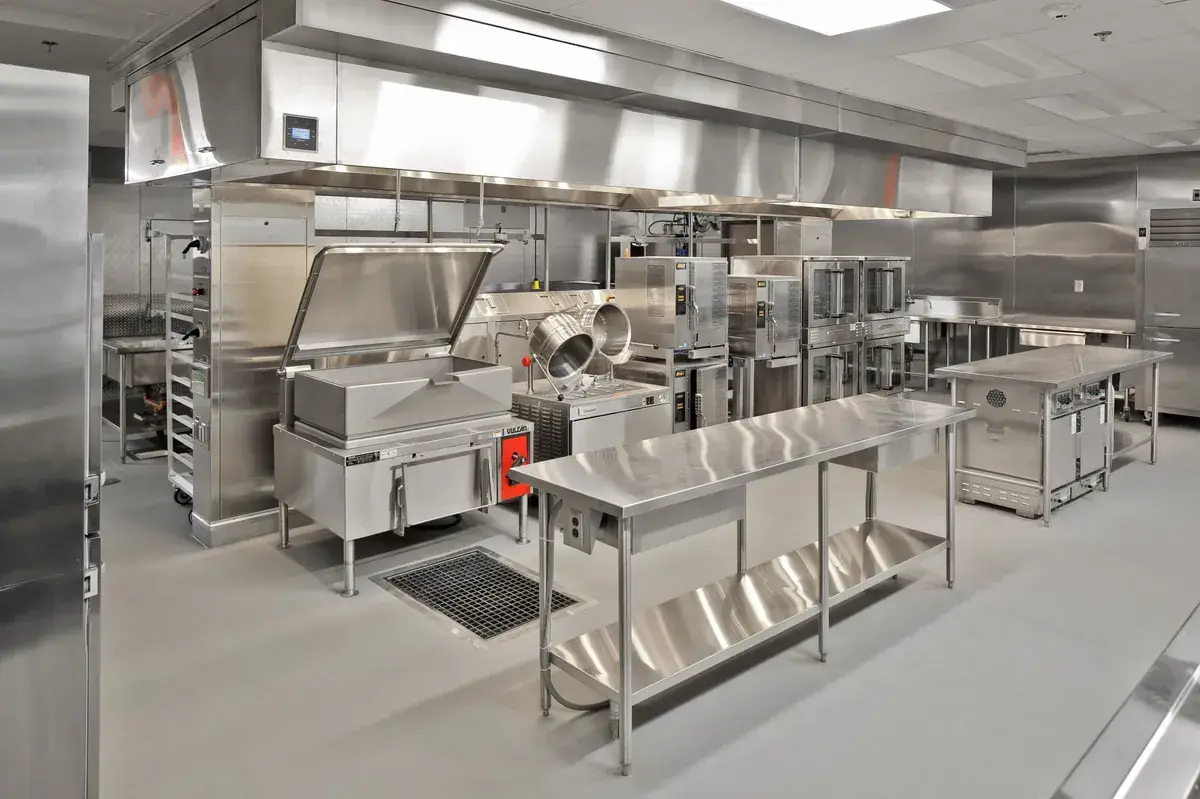
Kitchens, canopies, grease traps and the floor underneath
Closing a restaurant or café is hard enough. Then the lease asks for the kitchen to come out, the canopy to come down and the floor to go back to how it was. And the landlord wants it done in three weeks.
Food tenancies are some of the most involved make goods we do. Gas, grease, refrigeration, exhaust through the roof, tiles bonded to the slab. Every part needs the right trade, in the right order.
This post walks through what a restaurant or café make good involves, from the kitchen strip out to the floor reinstatement, so you can plan it properly and avoid the expensive surprises.
This is general information. Your lease decides what you owe, so read it and get advice on anything unclear.
Before anything gets pulled out, find out what stays. This is the biggest single factor in the cost of a food tenancy make good.
Many landlords want to re-lease to another food business. A working canopy, grease trap or cool room can be worth a lot to the next tenant. Pulling them out, then having the next tenant put them back, wastes everyone's money.
Ask the landlord or property manager about:
Get the answer in writing. A verbal "leave the canopy" can turn into "why is the canopy still here" at the final inspection.
A food tenancy make good usually runs in this order:
Skip a step or swap the order and trades end up waiting on each other, or work gets done twice.
A licensed gasfitter disconnects and caps every gas appliance, and makes the gas supply safe back to where the lease says it ends. A licensed electrician isolates and terminates the kitchen circuits, including three phase supplies to cooking equipment, dishwashers and refrigeration. Nothing gets unbolted until both are done.
Cooktops, ovens, fryers, combi ovens, dishwashers, fridges and benches all come out. Some is owned outright, some is leased or financed and some belongs to the landlord. Check what's yours before it goes in the skip. Finance companies and landlords both get upset about missing equipment.
Stainless benches, shelving, splashbacks and wall cladding are unfixed and removed. Front of house counters, display fridges, banquettes and joinery come out too. Wall fixings and hole patching come later, during reinstatement.
A licensed plumber disconnects and caps sinks, hand basins, dishwashers, glass washers, ice machines and coffee machine water supplies. Any floor wastes and drainage added during the fitout get capped below the floor so they don't become a leak or a smell later.
The kitchen exhaust is usually the most complicated single item in a restaurant make good. The canopy is the big stainless steel hood over the cooking line, sometimes called a range hood or exhaust hood. It catches grease, smoke and steam and sends it up the ductwork to an exhaust fan. The hood is only the part you can see.
A typical system has:
In a shopping centre or multi storey building, the centre or building manager usually has rules about riser access, roof access and fire system works. Book those early.
Most Melbourne food businesses discharge to sewer under a trade waste agreement with their water retailer, and that agreement usually includes a grease trap.
At lease end, the grease trap needs:
A grease trap that's been missed for a few months before closing can need more than a standard pump out. Get it looked at well before handover.
Walk in cool rooms and freezers are common in restaurants and cafés, and often sit on their own insulated floor or set down slab.
Removing them involves:
Condensers on the roof leave fixing points and penetrations behind, just like the exhaust fan. Those need proper roof repairs too.
The same principles apply at a much bigger scale in warehouses. Our guide to removing mezzanines and cool rooms in a warehouse make good covers the process in more detail.
The kitchen floor is often the part of a food make good that costs the most to put right, and the part tenants budget least for.
Commercial kitchen floors are built to be wet, hot and greasy. That usually means:
The dining room usually has its own finish. Timber, polished concrete, tiles or carpet. Same principle. Back to the condition the lease requires, with any holes from fixed seating, bars and counters patched and levelled.
The rest of the tenancy needs attention too:
Food tenancies need more than a vacuum. Grease gets everywhere, including walls, ceilings, high ledges and the air conditioning grilles. A proper degrease and clean before the final inspection is part of the job, not an extra. Our handover services cover the final clean so the tenancy is ready to inspect.
Food tenancies in shopping centres follow the centre's rules on top of the lease. That usually means night work, hoarding, booked loading dock times and centre approval for fire system and roof works. Our guide to retail make goods in shopping centres covers how those rules affect timing and cost.
Strip shop cafés are simpler on access, but often have older buildings with less documentation. Roof access, old drainage and unknown services behind wall linings are more common.
A café in an inner north strip removed everything, including a grease trap the landlord had wanted kept. The next tenant was a café too. The landlord asked for the trap to be reinstalled at the outgoing tenant's cost.
A restaurant in a CBD building removed its canopy but left the duct penetrations through a fire rated riser open. The building manager wouldn't sign off until the riser was reinstated and certified, delaying the bond return by a month.
A bakery in the south east had a quarry tile kitchen floor with a long drainage channel cut into the slab. The tenant's budget covered tile removal only. Filling the channel and levelling the set down doubled the floor cost.
Can I sell the kitchen to the next tenant? Often, yes, if the landlord agrees. Selling equipment and fitout to an incoming food business is common. Get the landlord's written consent and agree who's responsible for what before anything changes hands.
Who pays if the grease trap belongs to the landlord? If the landlord installed it, it's usually theirs to keep. You're still normally expected to hand it back pumped out, clean and working, since you used it. Check the lease.
How long does a restaurant make good take? A small café can be done in a week or two. A full restaurant with a canopy through the roof, a cool room and a tiled kitchen floor takes longer, especially if roof or riser work needs building approval. Floor reinstatement is usually the longest stage.
Can we keep trading while the make good is planned? Yes. Inspections, quotes and approvals can all happen while you're open. The physical work starts once you've closed and cleared the stock.
A restaurant or café make good involves more licensed trades than almost any other tenancy. Gasfitters, electricians, plumbers, refrigeration technicians, fire services, roofers, floor specialists, painters and cleaners.
Our strip out service covers the full kitchen and fitout removal, and our handover services take care of the final clean and the keys. One program, one fixed price, one point of contact.
Send through the property address and lease timing and we can review the scope. Get in touch.
We do makegoods all day, every day.
Let's talk scope.
Share the details and we'll come back to you with how we can help.
Ask us anything
👋 Hi! How can I help you today?
Ask about our make-good services, areas we cover, or how we can help with your commercial property.