Slab Rectification Melbourne | Concrete Floor Movement
What a worn or damaged slab actually needs
1 August 2024 8 min read
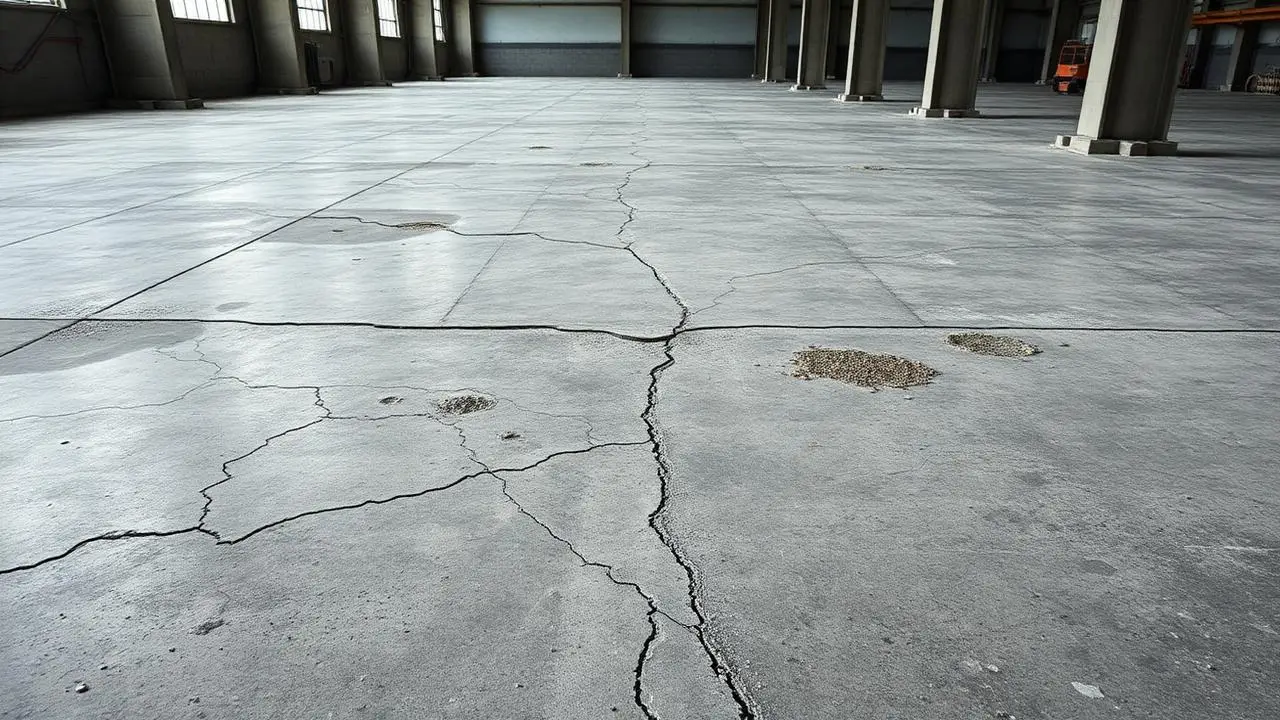
What a worn or damaged slab actually needs
Concrete slab movement and settlement are serious issues that can compromise the structural integrity and functionality of commercial and industrial properties. From uneven floors affecting equipment operation and storage systems to cracks indicating foundation problems, understanding slab rectification is essential for property owners, managers, and tenants facing these challenges. This guide explores the causes, consequences, and professional solutions for slab movement issues.
Concrete slabs are designed to remain stable and level throughout a building's life. However, various factors can cause slabs to move, settle, or heave (rise), creating operational problems and structural concerns. Movement typically manifests as:
Even minor slab movement can create significant problems in commercial and industrial settings where precise floor levels are critical for equipment, racking systems, and material handling.
The ground beneath concrete slabs plays a crucial role in long-term stability:
Poor Soil Compaction: Inadequately compacted fill during construction allows gradual settlement as soil consolidates under the slab's weight and building loads.
Reactive Clay Soils: Melbourne's reactive clay soils expand when wet and shrink when dry. This seasonal movement causes slabs to heave and settle cyclically, leading to cracking and differential movement.
Soil Erosion: Water penetration can wash away soil particles beneath slabs, creating voids that cause sudden settlement.
Groundwater Changes: Fluctuating water tables affect soil volume and bearing capacity, particularly in clay soils.
Construction deficiencies contribute to many slab problems:
Slabs designed for standard office loads can fail when subjected to:
Moisture is a leading cause of slab problems:
Large trees near buildings can cause:
Early detection of slab movement allows for less invasive and less expensive remediation. Watch for:
Don't ignore these signs—progressive slab movement typically accelerates and becomes more expensive to rectify.
Delaying slab rectification leads to:
Effective slab rectification requires specialist expertise and appropriate techniques for each situation:
For slabs with voids beneath or minor settlement:
Process: Holes are drilled through the slab and a specialised grout mixture is pumped beneath the concrete, filling voids and hydraulically lifting the slab to correct levels.
Advantages: - Cost-effective for large areas - Relatively quick installation - Minimal disruption to operations - Can be performed in occupied buildings
Limitations: - Not suitable for severely damaged slabs - May require repeated treatments if underlying soil issues persist
A modern alternative to traditional slab jacking:
Process: Expanding polyurethane foam is injected through small holes, filling voids and lifting slabs with precision control.
Advantages: - Lightweight material doesn't add significant load - Rapid cure time (minutes vs. hours) - Precise level control - Water-resistant and permanent - Smaller injection holes than traditional methods
Limitations: - Higher material cost than cement grout - Requires specialised equipment and training
For serious structural settlement or inadequate foundation support:
Process: New support systems are installed beneath affected slabs or footings, transferring loads to deeper, more stable soil layers.
Methods include: - Mass concrete underpinning - Pier and beam systems - Screw pile installation - Resin injection piling
Advantages: - Addresses root causes of settlement - Provides permanent structural solution - Suitable for severe movement cases
Limitations: - More invasive and disruptive - Higher cost - Longer project duration
When rectification isn't feasible or cost-effective:
Process: Damaged sections are removed and replaced with new concrete slabs designed to prevent recurring issues.
When necessary: - Severe structural damage - Extensive cracking compromising integrity - Inadequate original thickness or reinforcement - Changed building use requiring higher load capacity
For surface levelling without addressing structural issues:
Process: Self-levelling compounds or new concrete layers are applied over existing slabs to create level surfaces.
Appropriate for: - Minor surface irregularities - Cosmetic improvements - Preparing surfaces for new flooring - Situations where underlying structure is sound
Limitations: - Doesn't address underlying settlement causes - Adds floor height affecting doors and clearances - May crack if movement continues
Professional slab rectification follows a systematic approach:
Based on investigation findings, engineers specify: - Appropriate rectification method - Required materials and specifications - Work sequence and methodology - Quality control measures
Specialist contractors execute rectification including: - Site preparation and protection - Execution of chosen rectification method - Quality monitoring throughout process - Verification of achieved levels
Post-rectification checks include: - Final level surveys confirming specifications met - Visual inspection of completed work - Load testing if required - Documentation and certification
Recommendations to prevent recurrence: - Drainage improvements - Moisture control systems - Load management strategies - Ongoing monitoring programmes
While not all slab movement is preventable, risk reduction strategies include:
For commercial tenants, lease agreements should clearly address:
Tenants causing slab damage through excessive loads or poor maintenance may face make-good obligations including costly rectification work.
Slab rectification is a specialised field requiring expert assessment and appropriate remediation techniques. Early intervention prevents minor settlement from becoming major structural problems, saves money, and maintains property functionality and value.
If you've noticed signs of slab movement or settlement in your commercial or industrial property, don't delay investigation. Professional assessment identifies the extent of issues and appropriate solutions, protecting your property investment and ensuring safe, functional floor systems. Contact our specialist team today for comprehensive slab assessment and expert rectification solutions tailored to your property's specific needs.
We do makegoods all day, every day.
Let's talk scope.
Share the details and we'll come back to you with how we can help.
Ask us anything
👋 Hi! How can I help you today?
Ask about our make-good services, areas we cover, or how we can help with your commercial property.