Warehouse Make Good Solutions
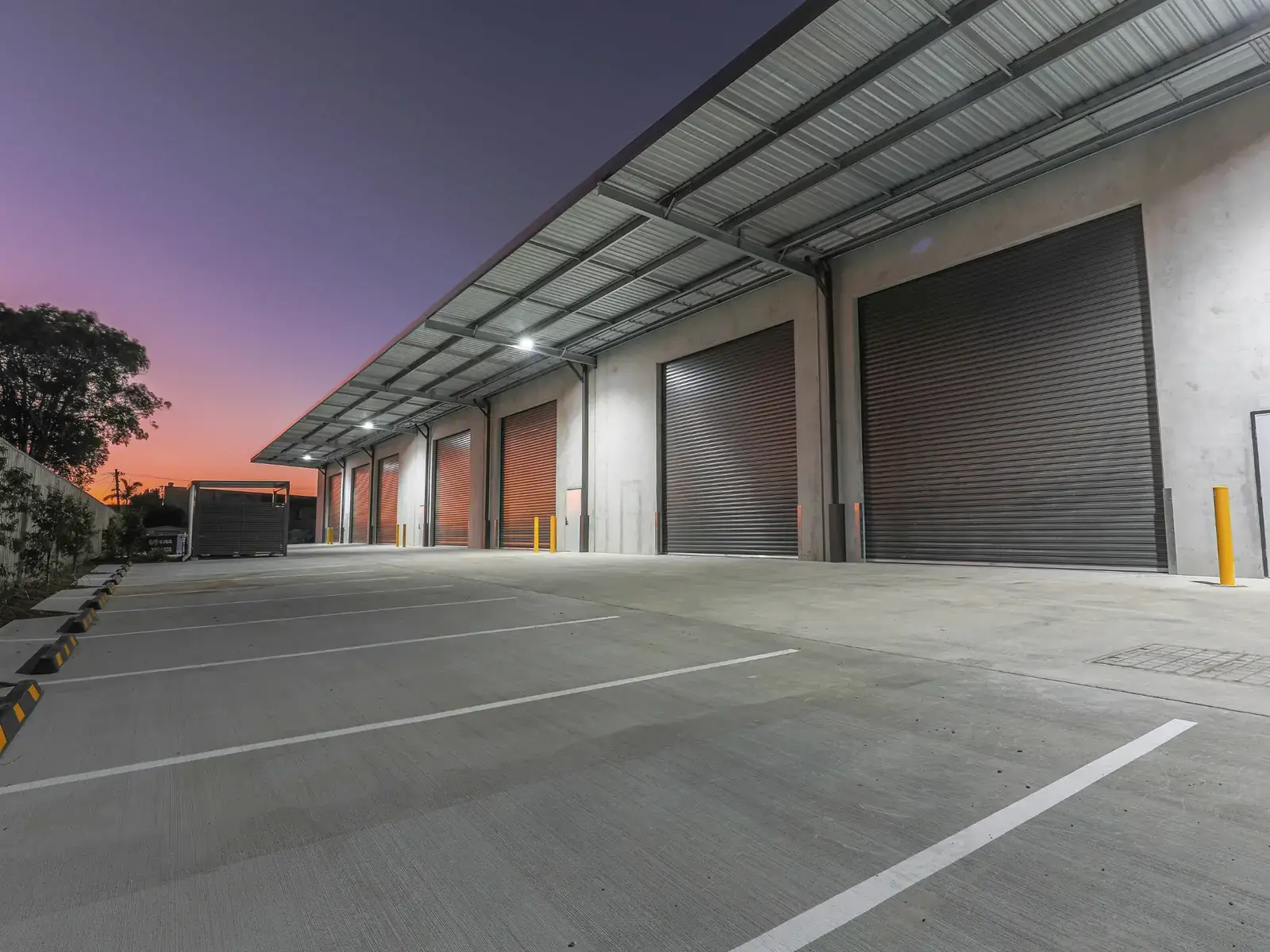
Racking out. Slab repaired. Lines marked. Building handed back. We run the whole warehouse make good for industrial tenants and property managers across Melbourne, with one fixed price and a programme built around your lease end date.
Proposal, works, handover. See how our process works
A warehouse make good is everything it takes to hand an industrial building back to the landlord in the condition your lease asks for. Racking out, anchor holes filled, the slab repaired, line marking sorted, offices stripped, walls painted, the roof and doors fixed and the place cleaned. It is rarely one trade, and it always has a deadline.
We plan and run the whole scope for warehouse and industrial tenants, property managers and facility managers across Melbourne, with most of our work in the south east warehouse belt around Dandenong South, Clayton, Mulgrave and Hallam. One contractor, one fixed price and a programme built around your handover date.
The goal is simple. The landlord walks the building, signs it off and your security deposit or bank guarantee comes back without a fight.
What a warehouse make good involves
Every lease is different, so not every warehouse needs all of this. These are the works we cover, and the ones that come up on almost every industrial handback.
Racking removal and anchor hole repairs
Racking dismantled, stacked, banded and taken away. Every anchor is core drilled out, the hole filled with high strength epoxy and ground flush. Bollards, guard rails and column guards come out at the same time. If your racking is reusable, we can make an offer on it and put that against the cost.
Pallet racking removalFloor grinding and patching
Cracks injected, failed joints rebuilt, chipped edges repaired and coatings or residue ground back. The slab is finished to match your lease, whether that means bare concrete, grind and seal or a coating.
Warehouse floor repairsLine marking removal and reinstatement
Your bays, zones and walkways ground or blasted off. The original layout put back from the lease drawings, or agreed with the property manager before we start.
Line markingOffice and mezzanine strip out
Site offices, partitions, ceilings, cool rooms and mezzanine floors removed back to the base building. Walls and ceilings repaired where the fitout met them.
Demolition and strip outPainting
Walls, columns, doors and trims repainted where the lease asks for it. High walls done from boom lifts with proper preparation so the finish passes a close look.
Commercial paintingRoller doors and dock areas
Damaged roller doors, dock edges, dock levellers and impact damage around openings repaired or replaced. Worn hardstand and loading dock concrete patched so trucks and forklifts can use it safely.
Hardstand and dock repairsElectrical make safe and decommissioning
Circuits to racking, machinery, signage and tenant equipment isolated and made safe by licensed electricians before demolition starts. Redundant cabling removed and the switchboard labelled for handover.
Make safe worksRoof and box gutter repairs
Leaks found and fixed, box gutters and sumps cleared or replaced and damaged skylights sorted. A roof that leaks at handover becomes the landlord’s first complaint.
Box gutters and drainageSignage removal
Building, pylon and wall signage taken down, fixings removed and the surface patched and painted so there’s no outline left behind.
Final clean
Floors swept and scrubbed, offices and amenities cleaned, high areas dusted and all waste gone. The building is ready for the inspection, not just empty.
End of lease cleaningOur warehouse make good process
The order matters. Power is made safe before anything is cut. Racking comes out before the floor can be repaired. Epoxy fills cure before the slab is ground. Line marking goes down last. Get the sequence wrong and work gets redone.
Read the lease
We go through the make good clause, the entry condition report and any dilapidation report with you, so the scope matches what you actually owe.
Site visit
We walk the warehouse, count the anchors, check the slab, roof, doors and dock and take photos.
Fixed price scope
One scope and one price for every trade, grouped by type of works, with a programme worked back from your handover date.
Strip out and make safe
Power made safe, racking and fitout out, waste removed.
Repairs and reinstatement
Floors, walls, roof, doors and line marking, done in the right order.
Clean and handover
Final clean, photos of the finished work and a walk through before the landlord’s inspection.
Typical timeline
Timing depends on the size of the building and how much is in it. Racking in a small warehouse can often be cleared in a day. A large distribution centre can take a week or more for the racking alone, then the floor, walls, roof and line marking follow.
For a large warehouse, six months out from lease end is not too early to get us in. It leaves time to agree the scope with the landlord, sell or move the racking and fit the floor work in before handover. Short on time? Call us anyway. We can stage the work around your last weeks of operation.
What drives the cost
There is no honest square metre rate for a warehouse make good. Two buildings the same size can need very different work. These are the things that move the price:
- The lease. Original condition, remove fixtures and make good damage, or a payment instead of works. Each one is a different scope.
- The anchors. A single run of 20 racking bays can have 42 to 84 anchors. A full distribution site can have thousands, plus guards, barriers and bollards.
- The slab. Cracks, failed joints, old coatings and whether the floor needs sealing or coating at handover.
- What has to come out. Offices, mezzanines, cool rooms, signage and services added during the lease.
- Roof, doors and dock. Leaks, box gutters, damaged roller doors and worn dock areas.
- Time. A tight deadline means more people on site at once, or after hours work.
Reusable racking can bring the cost down, and sorting the floor properly once is always cheaper than doing it twice. Read more in what drives make good costs in Melbourne and why anchor holes cost tenants money.
Dilapidation reports and lease make good clauses
Your lease decides what you owe. The condition report decides what it is measured against. Most industrial leases use one of these:
- Return to original condition. Everything you added comes out and the building goes back to how it was when you moved in, less fair wear and tear.
- Remove fixtures and make good damage. Racking, offices and signage come out, and any damage from installing or removing them is repaired. Anchor holes are the classic example.
- Payment instead of works. Some leases let the landlord ask for money rather than the work. That usually costs more, because you lose control of the scope and the price.
A dilapidation report done at the start of the lease is your best defence. If the slab was cracked or the walls marked when you arrived and it is on record, you are not paying to fix it. If there is no report, move in photos and the entry condition report do the same job.
Send us the lease clause and whatever condition records you have. We scope to what you owe, not to a landlord’s wish list.
Why one contractor for the whole scope
Most warehouse make good problems happen in the gaps between trades. The racking crew cuts the anchors flush and leaves. The floor contractor turns up later and finds a job nobody priced. The painter is booked before the patching is done. Meanwhile the handover date does not move.
- One fixed price for every trade, so nothing falls between quotes
- One programme, sequenced so no work gets redone
- One point of contact for you, the property manager and the landlord’s consultant
- Photos of the finished work for your records if anything is disputed later
Moving to a new warehouse as well? We can take your racking out, move it to the new site and set up the new building while we make good the old one. See how that played out on our Port Melbourne warehouse case study.
Warehouse make good FAQs
What does a warehouse make good usually include?
Usually racking removal and anchor hole repairs, floor grinding and patching, line marking removal or reinstatement, office and mezzanine strip out, painting, electrical make safe, roof and door repairs, signage removal and a final clean. Your lease and condition report decide which of those apply.
How long does a warehouse make good take?
It depends on the size of the building and the scope. Racking in a small warehouse can often be cleared in a day. A large distribution centre can take a week or more for the racking alone, before the floor and the rest of the scope. We give you a programme with the quote, worked back from your handover date.
How much does a warehouse make good cost?
There is no honest square metre rate. Cost depends on the lease requirements, the number of anchors, the condition of the slab, what fitout needs to come out, the roof and doors and how much time is left. We give a fixed price after a site visit.
Do I have to fill every racking anchor hole?
If your lease says to make good damage caused by your fixtures, almost always yes. The exception is holes that were already there when you moved in and are recorded in the entry condition report.
Can you remove our pallet racking and repair the slab?
Yes. We dismantle and remove the racking, core drill every anchor out, fill the holes with high strength epoxy and grind the repairs flush. If the racking is reusable we can make an offer on it.
Do we need a dilapidation report?
If one was done when you moved in, it is the benchmark for the handover. If there is no report, the entry condition report and any move in photos do the same job. Send us whatever you have and we will scope against it.
Can you work while we are still operating?
Yes. We can stage the work zone by zone, starting with areas you have already cleared, so you can keep shipping while the make good starts.
Which areas do you cover?
All of Melbourne. Most of our warehouse work is in the south east, including Dandenong South, Clayton, Mulgrave and Hallam.
Lease ending on a warehouse?
We do makegoods all day, every day.
Send through the address, your lease end date and the make good clause. We'll come out, walk the building and come back with one fixed price for the whole scope.
Share the details and we'll come back to you with how we can help.
Not sure what happens next? See how our process works